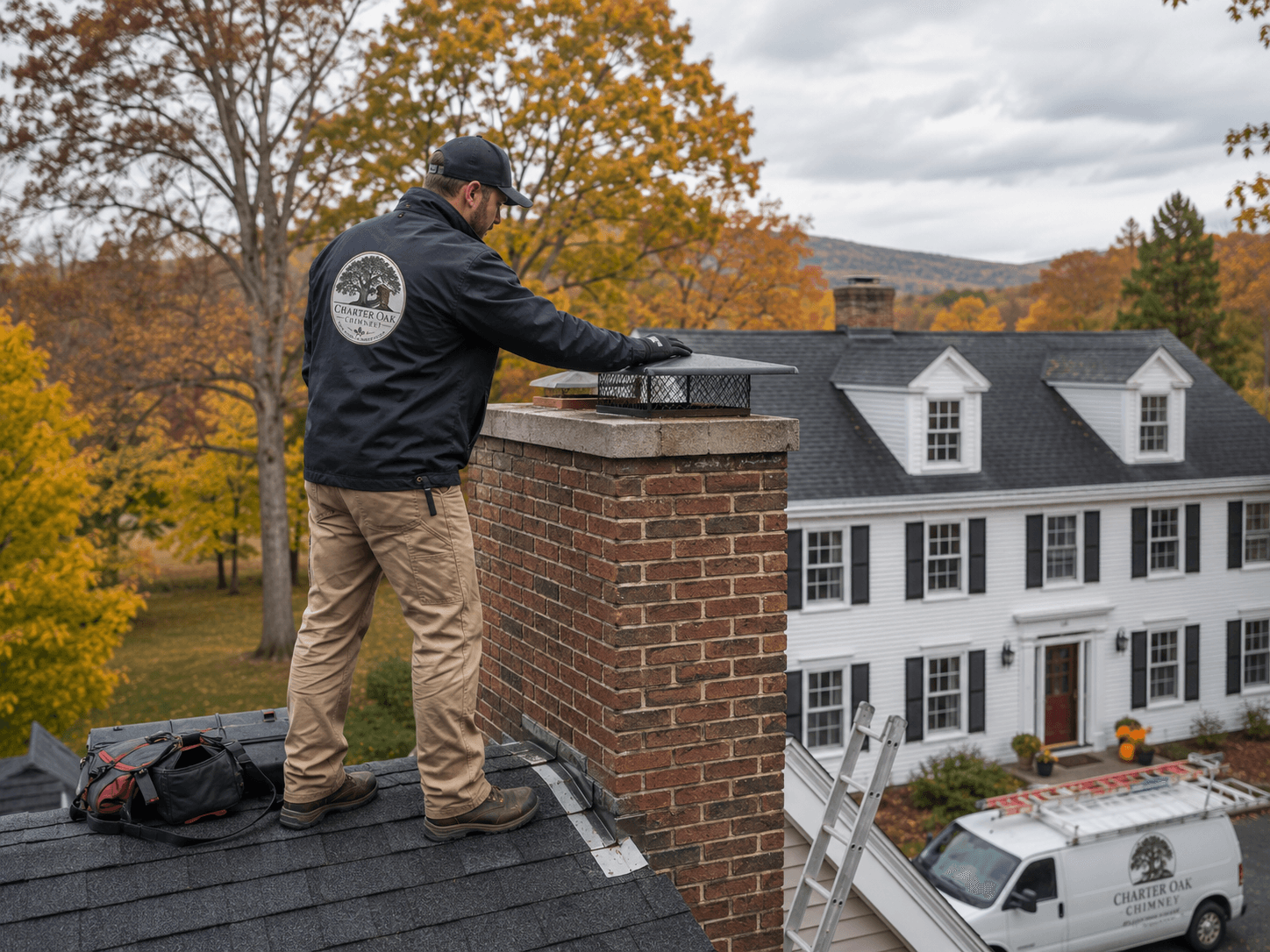
When a homeowner first notices a chimney, fireplace, or furnace-venting issue, the biggest mistake is waiting until it becomes obvious. In the field, the most serious problems usually start with small warning signs.
Smoke Coming Back Into the Home
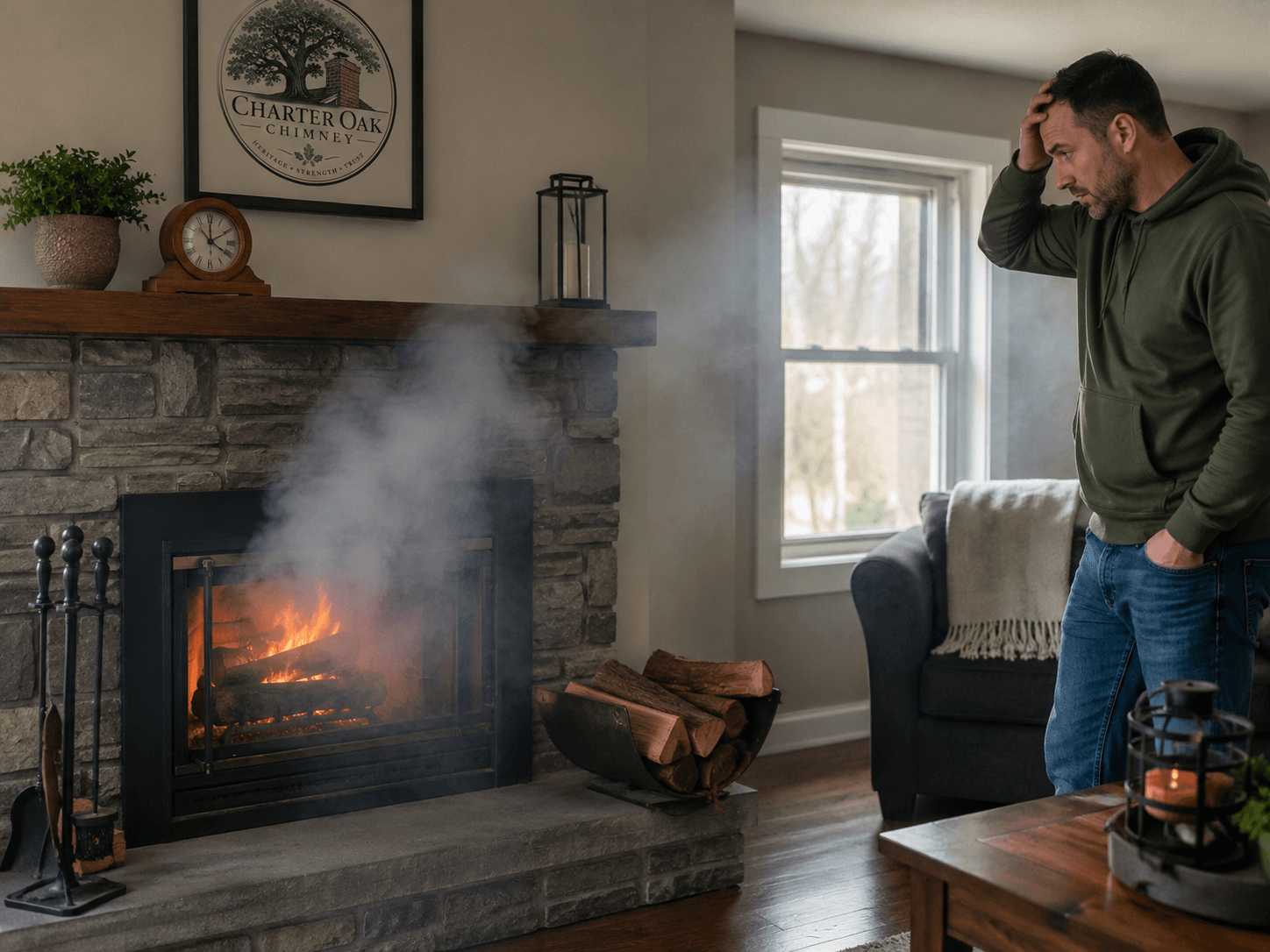
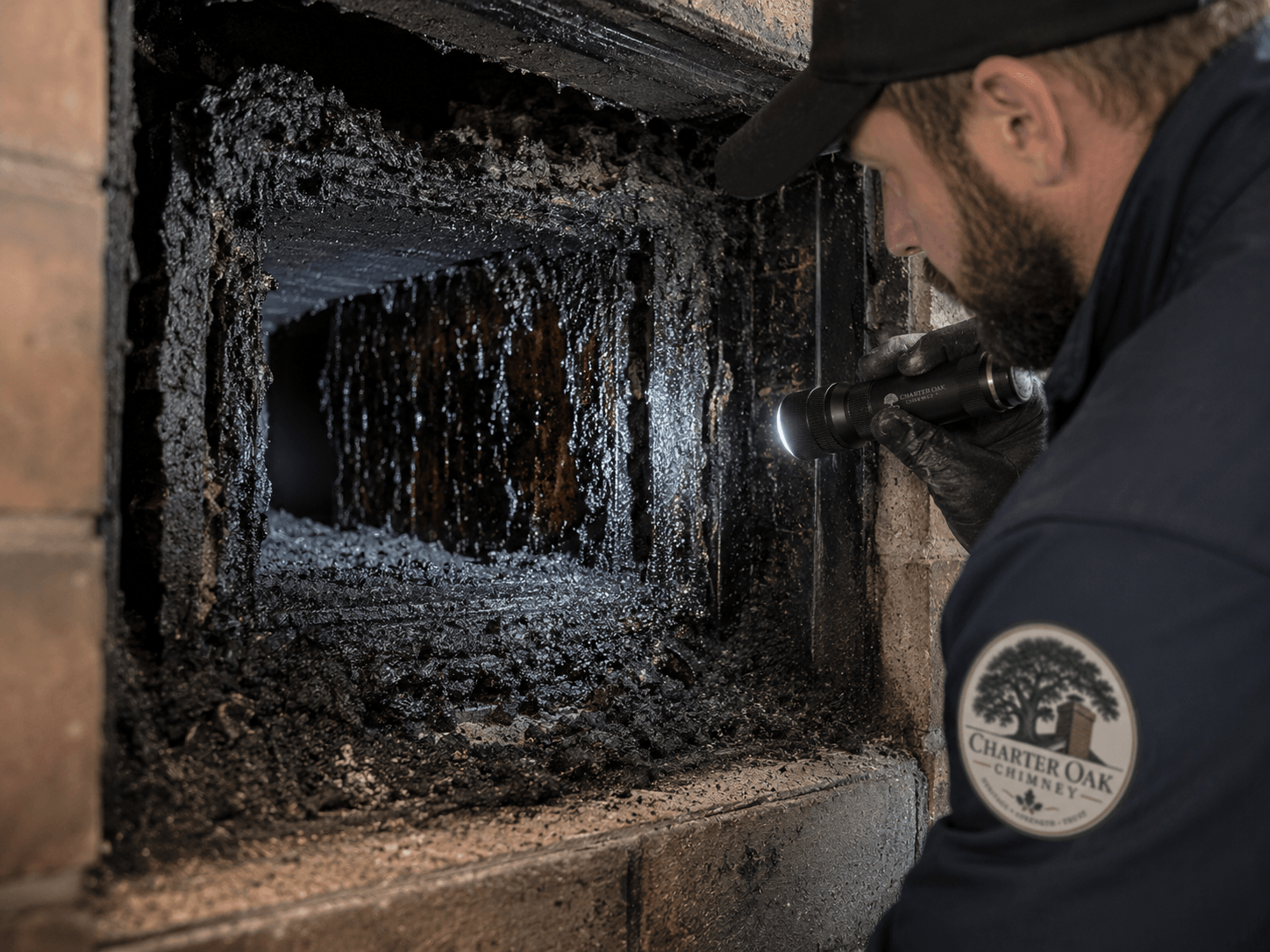
The first red flag is smoke coming back into the house instead of drafting up the chimney. That can point to a blockage, poor draft, creosote buildup, a closed or damaged damper, or a venting problem. If your fireplace smokes up the room, that is not "normal fireplace behavior." It means the system is not moving exhaust the way it should.
Unusual Odors When the Fireplace Is Not in Use
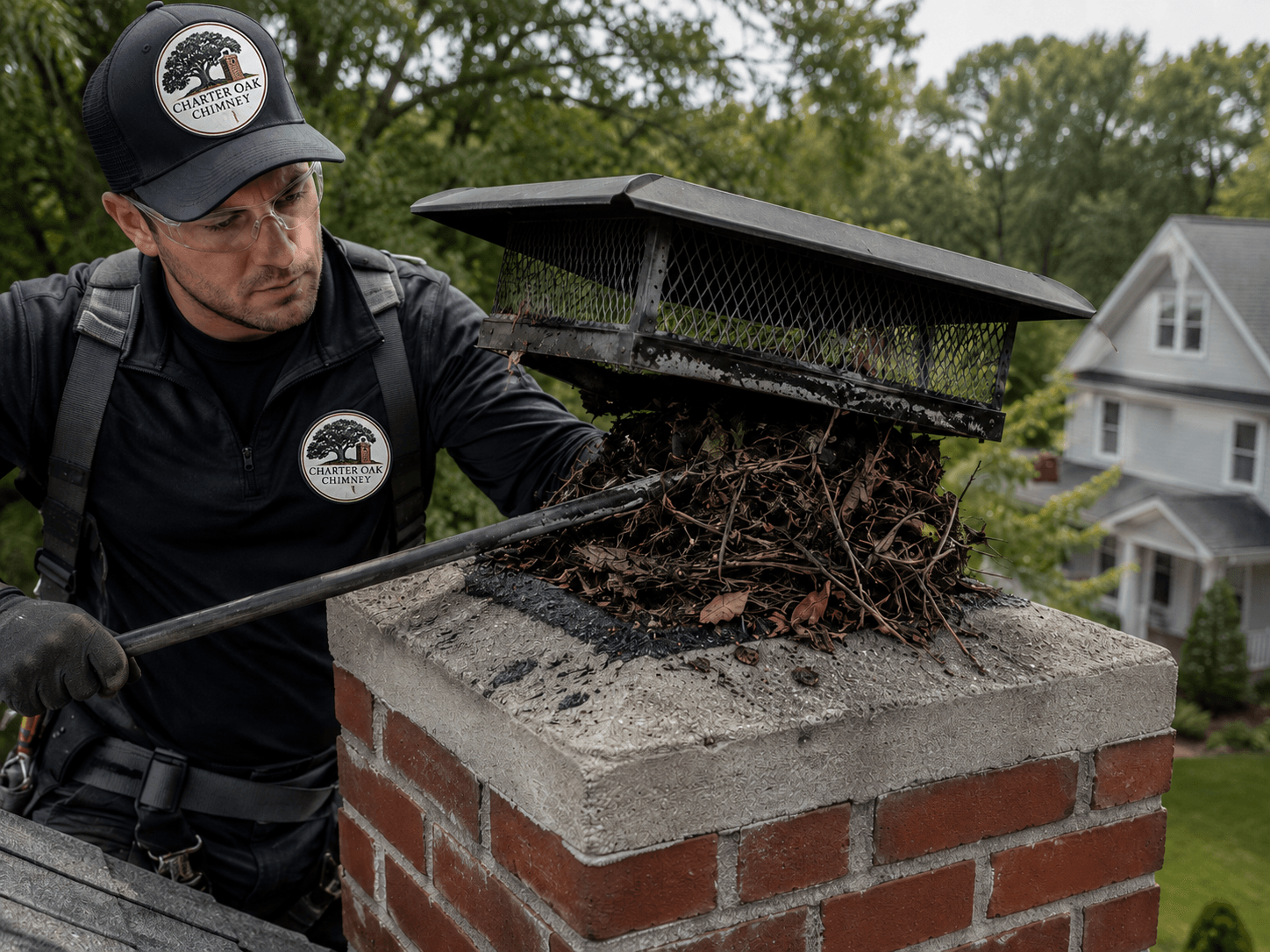
Another common warning sign is a strong smoky, musty, or burnt odor, especially when the fireplace is not being used. That can come from moisture inside the chimney, creosote buildup, animal nesting, or poor airflow. A chimney should not smell strongly inside the home.
White Staining on the Chimney Exterior
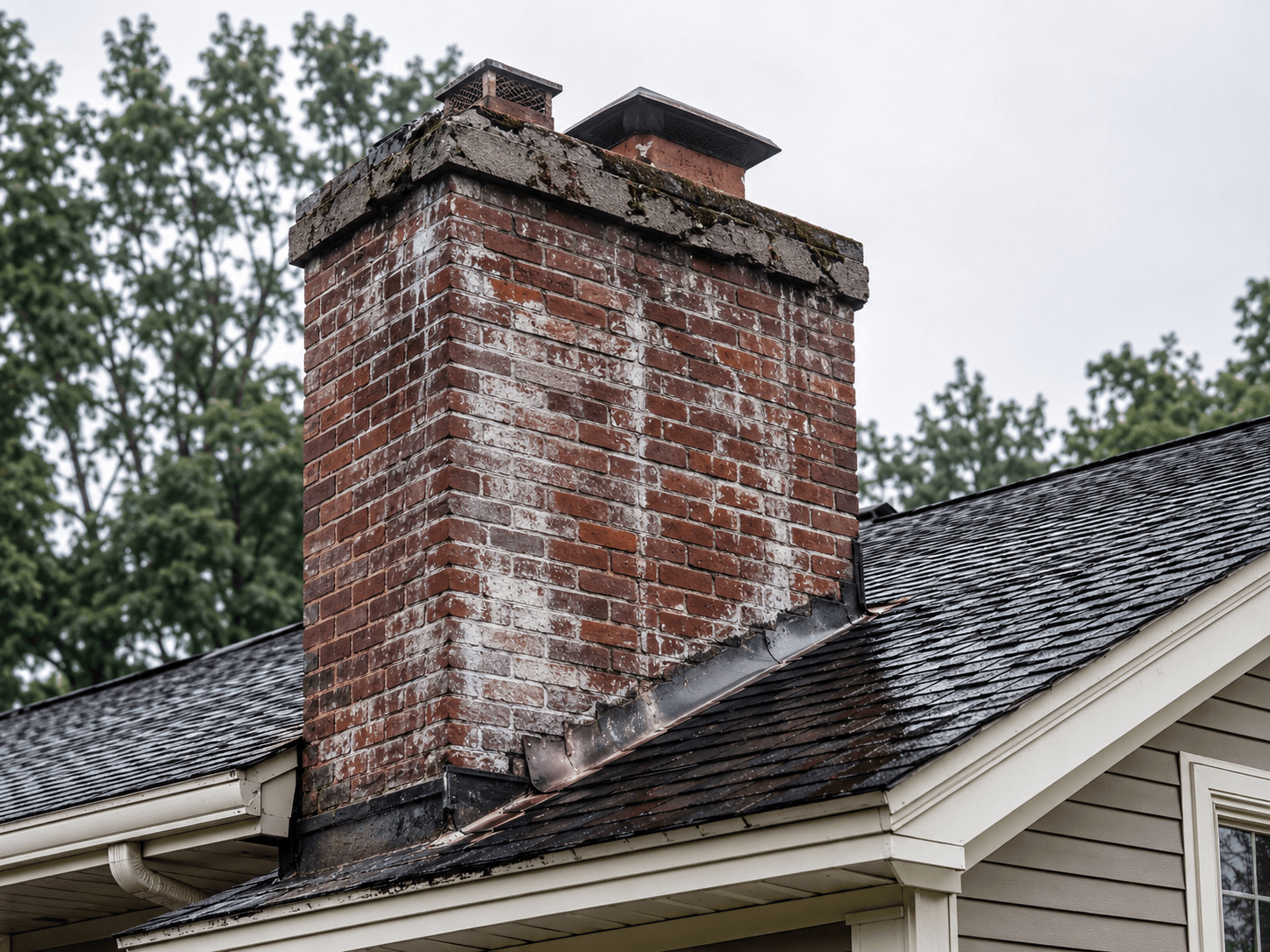
Homeowners should also watch for white staining on the outside of the chimney, known as efflorescence. It may look cosmetic, but it usually means water is moving through the masonry. Over time, water can damage brick, mortar joints, the chimney crown, flashing, and even the interior flue.
Structural Deterioration and Soot Buildup
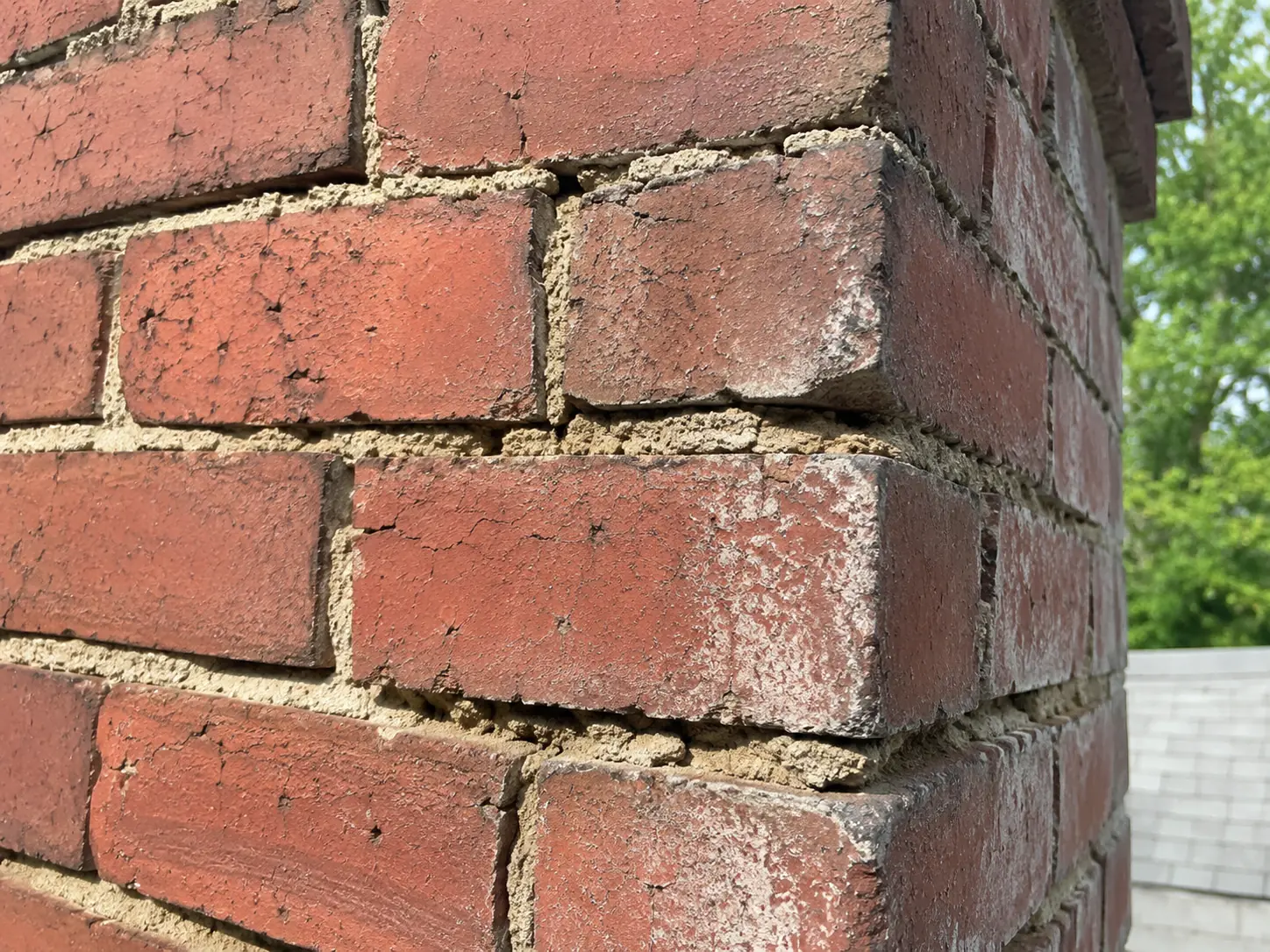
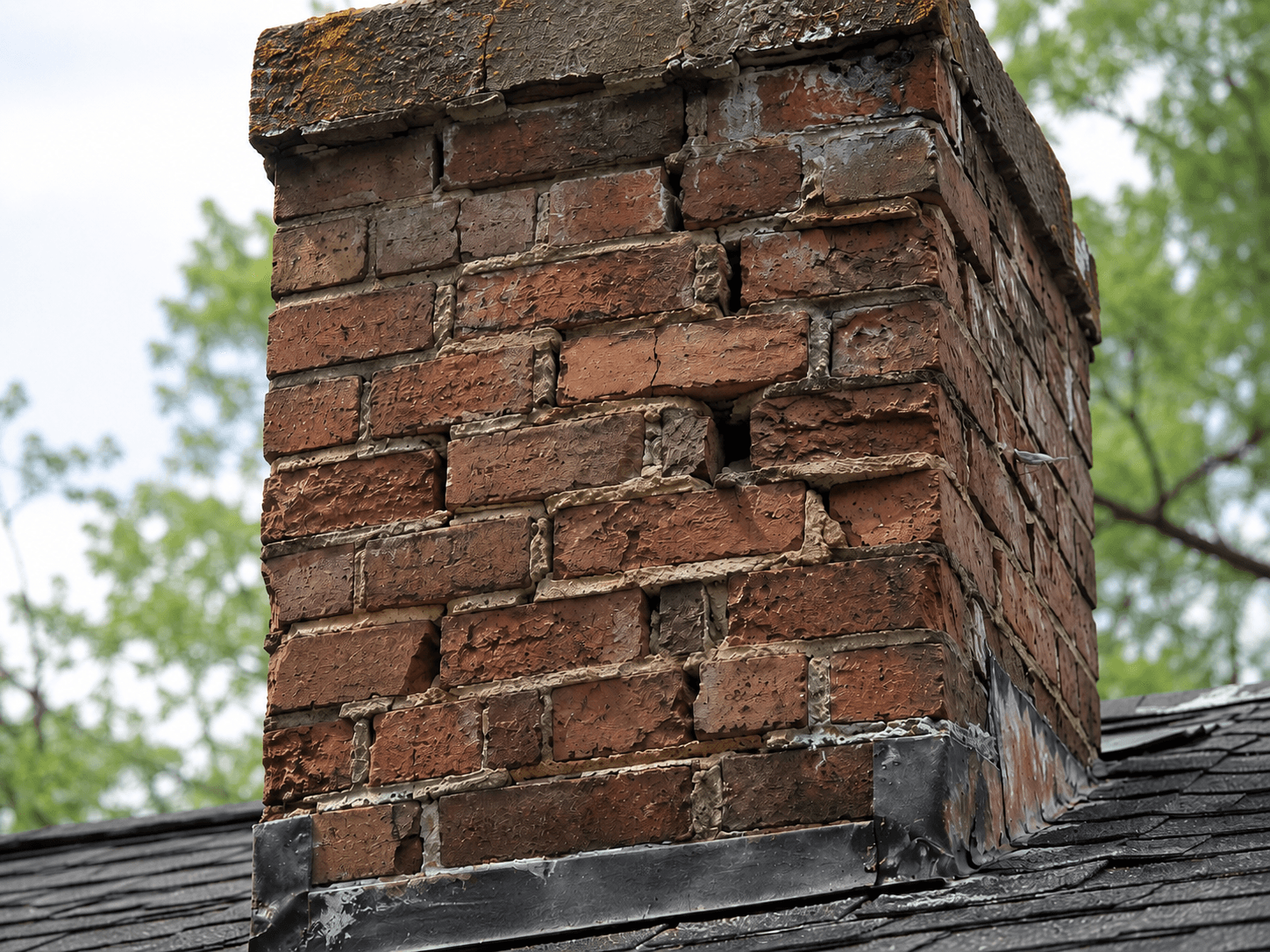
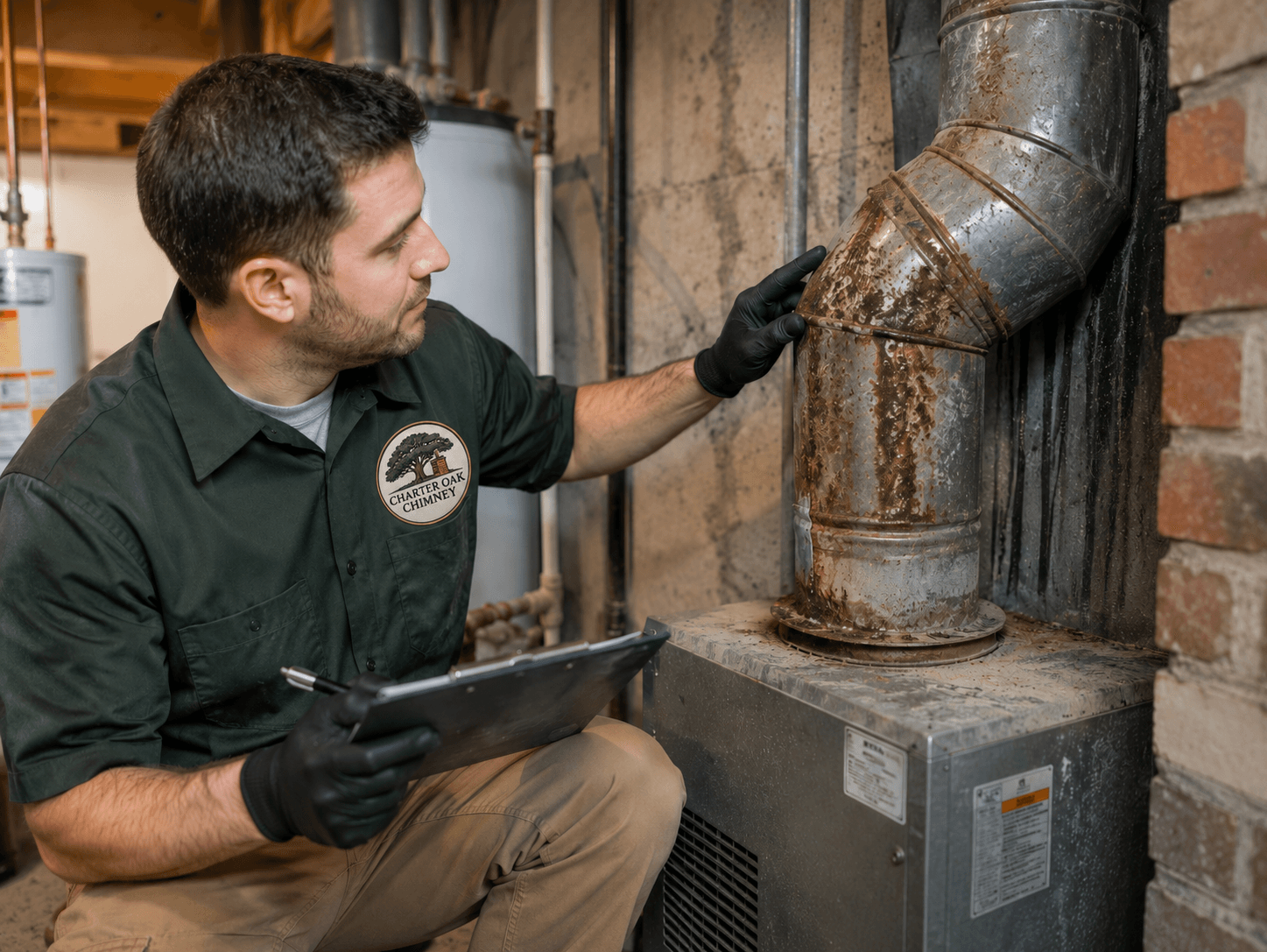
Other signs we take seriously include loose bricks, cracked mortar, pieces of tile or debris in the fireplace, rust on the damper or firebox, water stains near the chimney, and black soot around the fireplace or furnace venting area. These are signs that something is deteriorating, leaking, or not venting properly.
Furnace and Water Heater Venting Risks
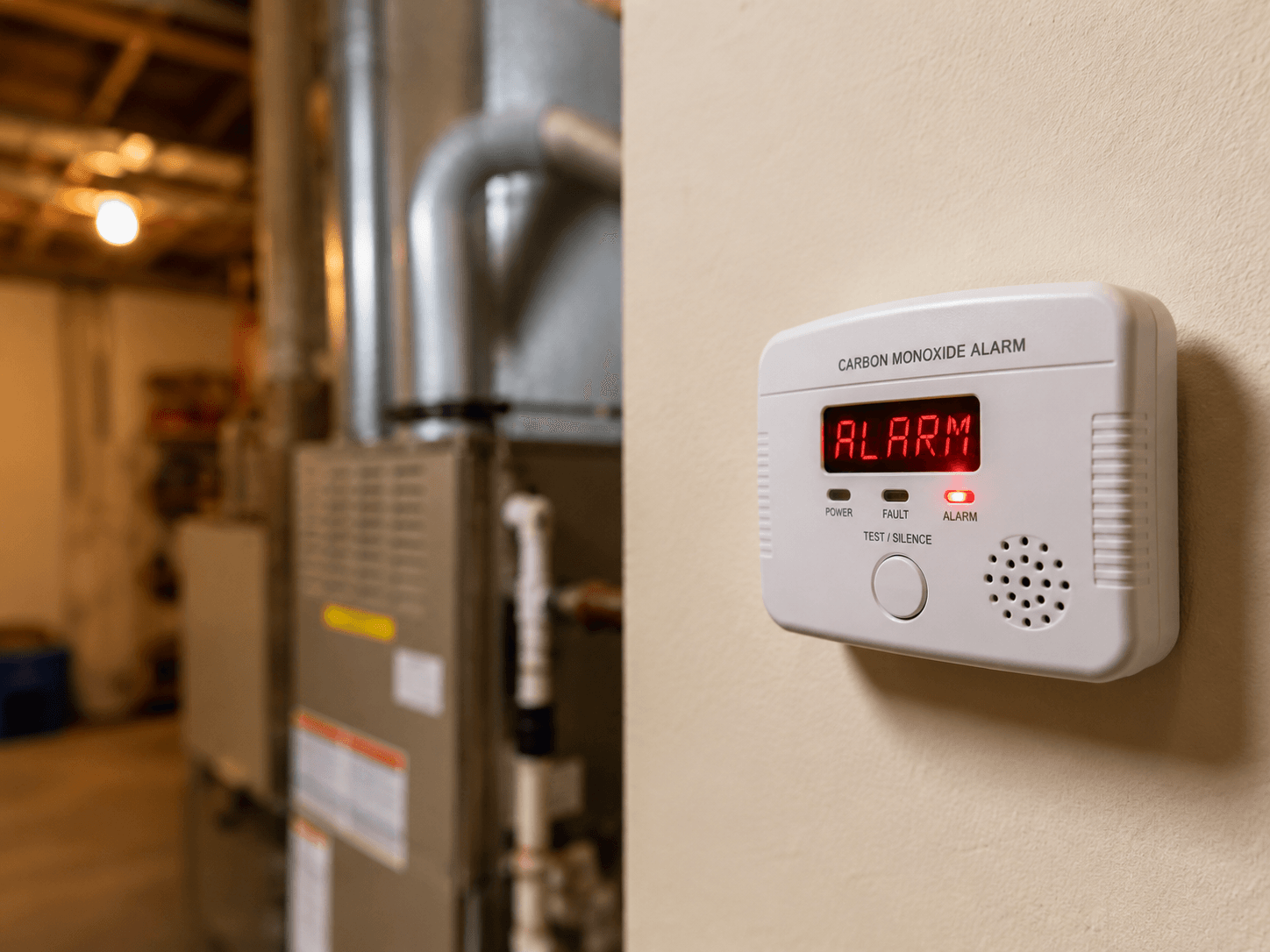
For furnace or water-heater venting, homeowners should never ignore rusted vent pipes, soot marks around the appliance, condensation, unusual smells, or a carbon monoxide alarm. Carbon monoxide is especially dangerous because you cannot see or smell it. Symptoms can feel like the flu — headache, dizziness, weakness, nausea, chest pain, or confusion — and exposure can become deadly.
When to Treat It as an Emergency
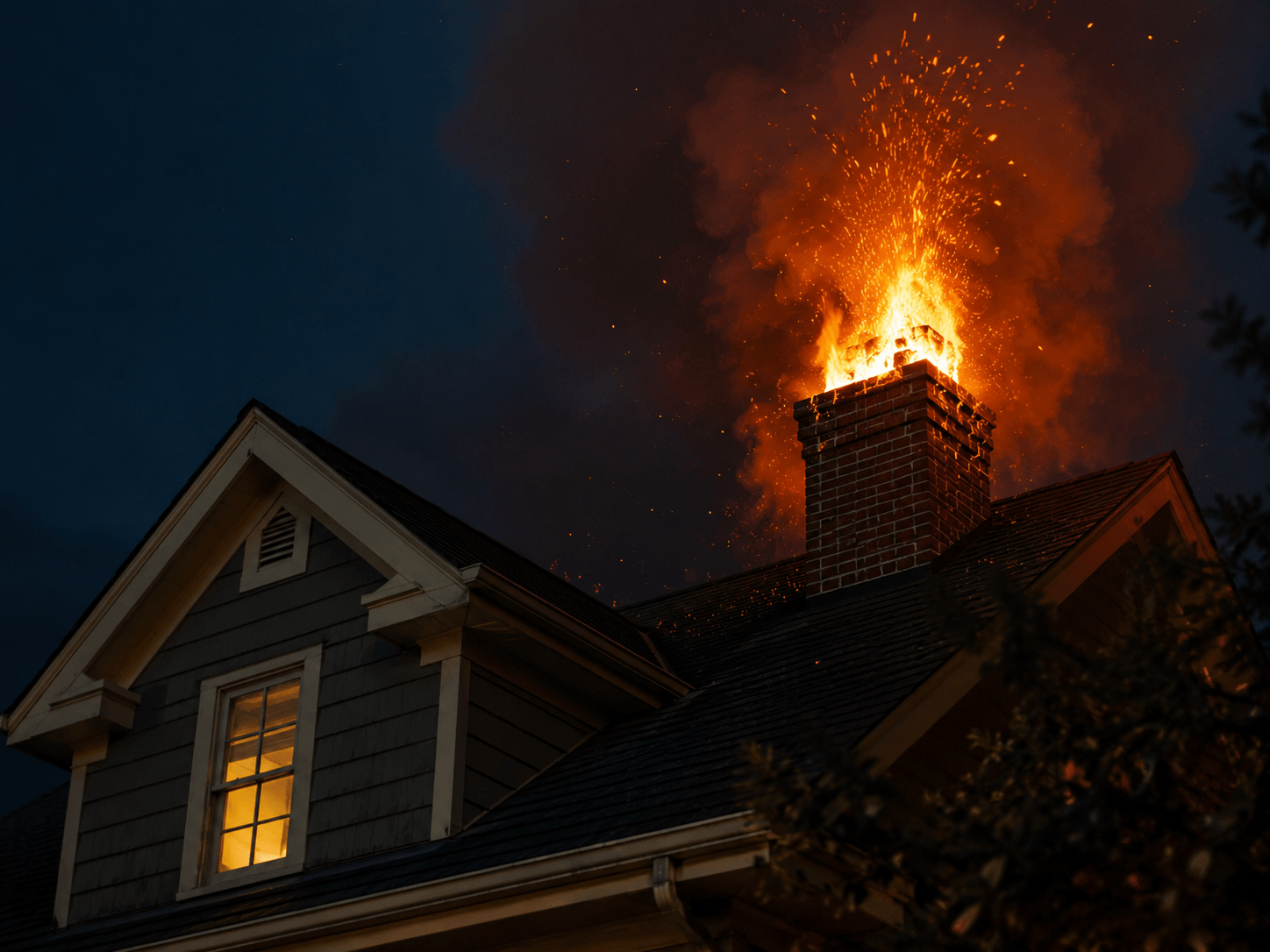
The most urgent warning signs are a carbon monoxide detector going off, smoke filling the home, flames or heavy sparks coming from the chimney, a loud roaring sound in the chimney, or anyone in the house feeling dizzy or sick when the fireplace or furnace is running. In those situations, stop using the system, leave the home if needed, and call emergency services.
The Bottom Line
A good rule is simple: if the chimney, fireplace, or furnace vent is showing signs of smoke, water, rust, soot, odor, poor draft, or structural damage, don't guess. Have it inspected before using it again. Small chimney problems are usually much cheaper to fix early than after they turn into water damage, carbon monoxide risk, or a chimney fire.