
Repairs & protection — Connecticut
Chimney repair in Connecticut
Repair starts with evidence. Before anyone talks about fixing your chimney, you should see what's actually wrong with it. We diagnose first — photos, plain English, a written scope — and repair second.
Not sure whether the damage is real? Every repair we propose comes with photos of the actual problem and a written scope. If it can safely wait, we say so.
Pick a date and arrival window online — we confirm before we arrive.
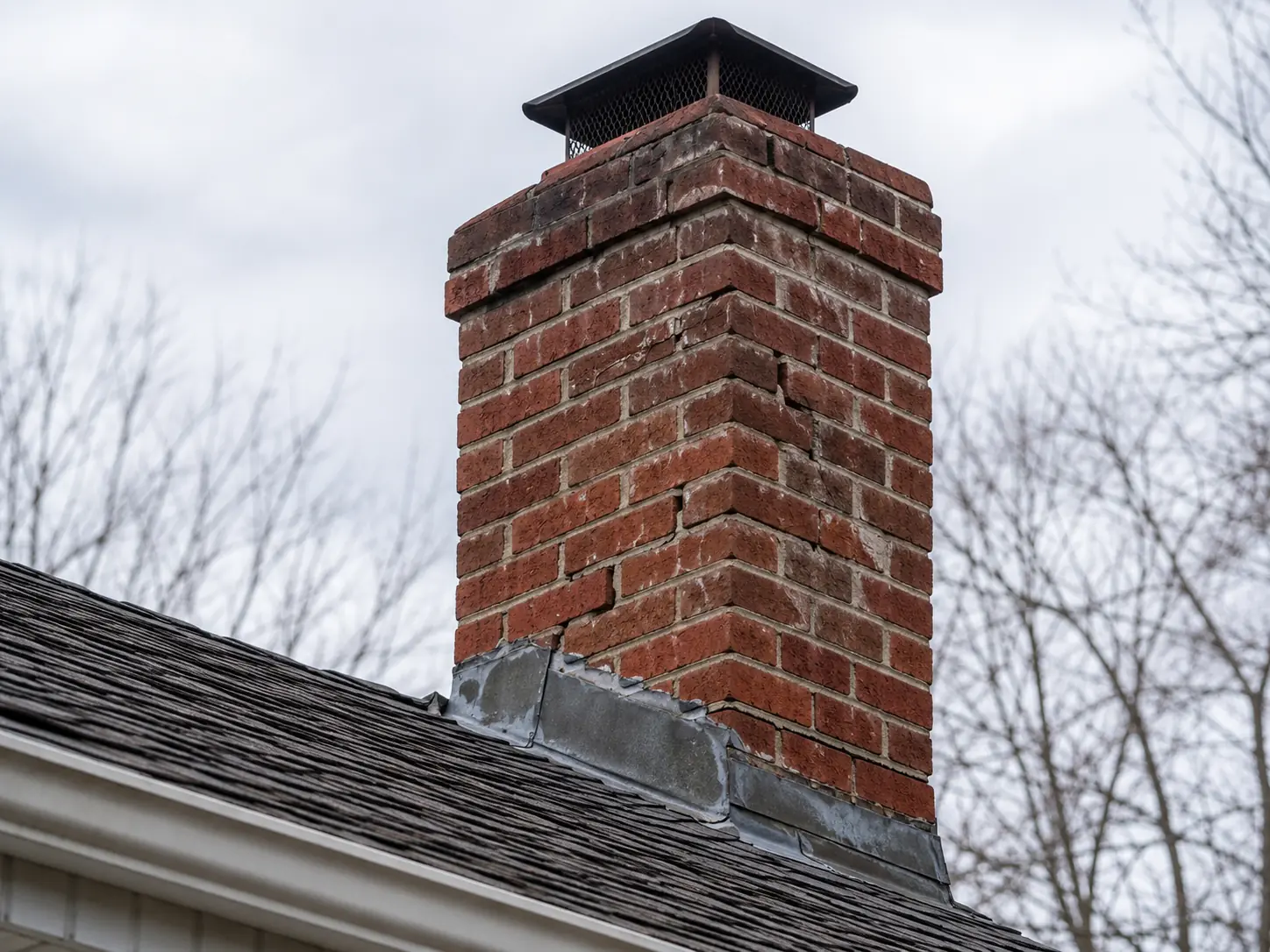
Symptoms
What you're seeing, and what it usually points to
"Usually" is the honest word — the assessment confirms which one it actually is before anything gets scoped.
Repair categories
Six kinds of chimney repair
Most chimney problems land in one of these six categories. Each has its own page if you already know what you're dealing with — and if you don't, that's what the assessment is for.
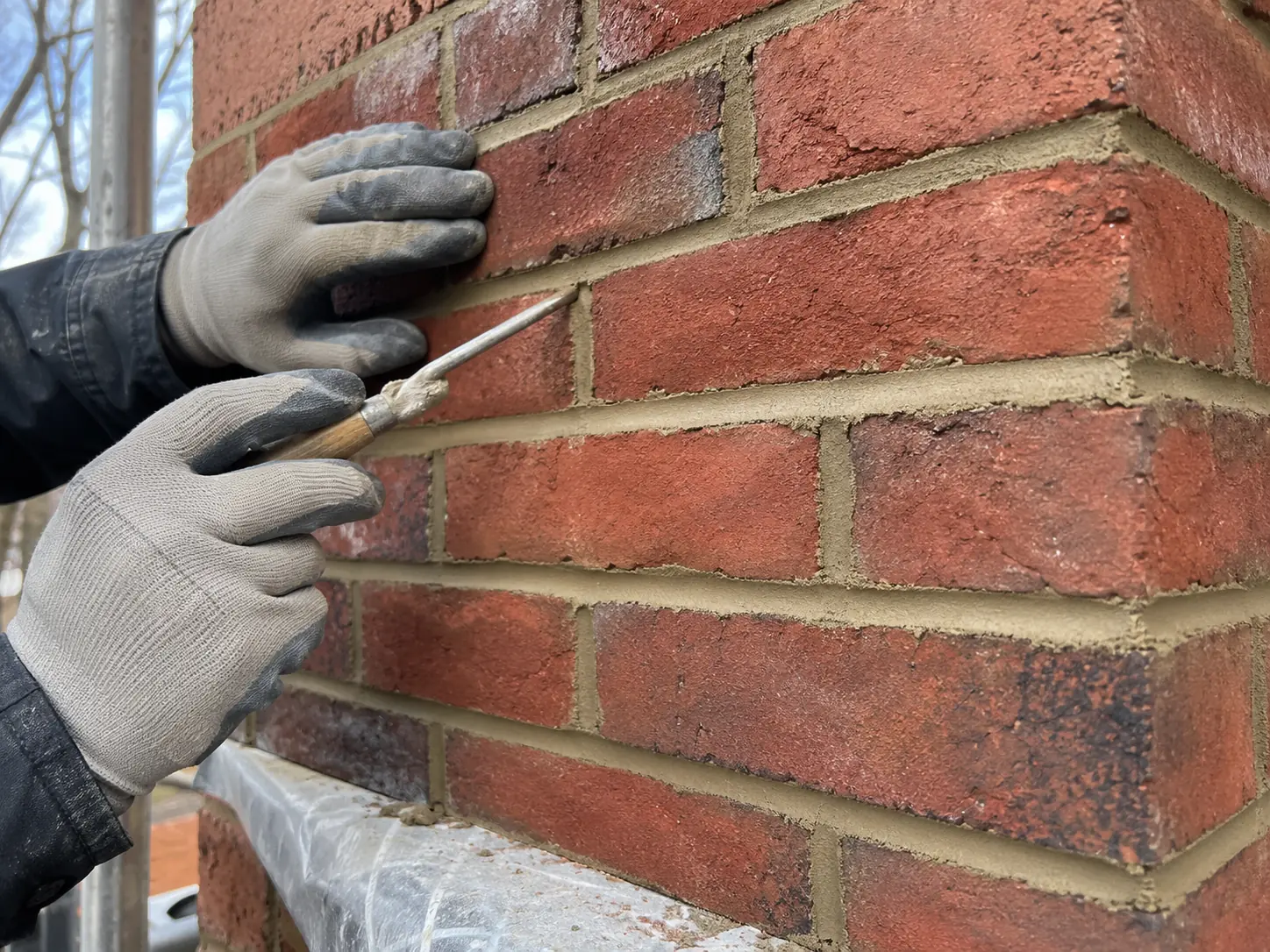
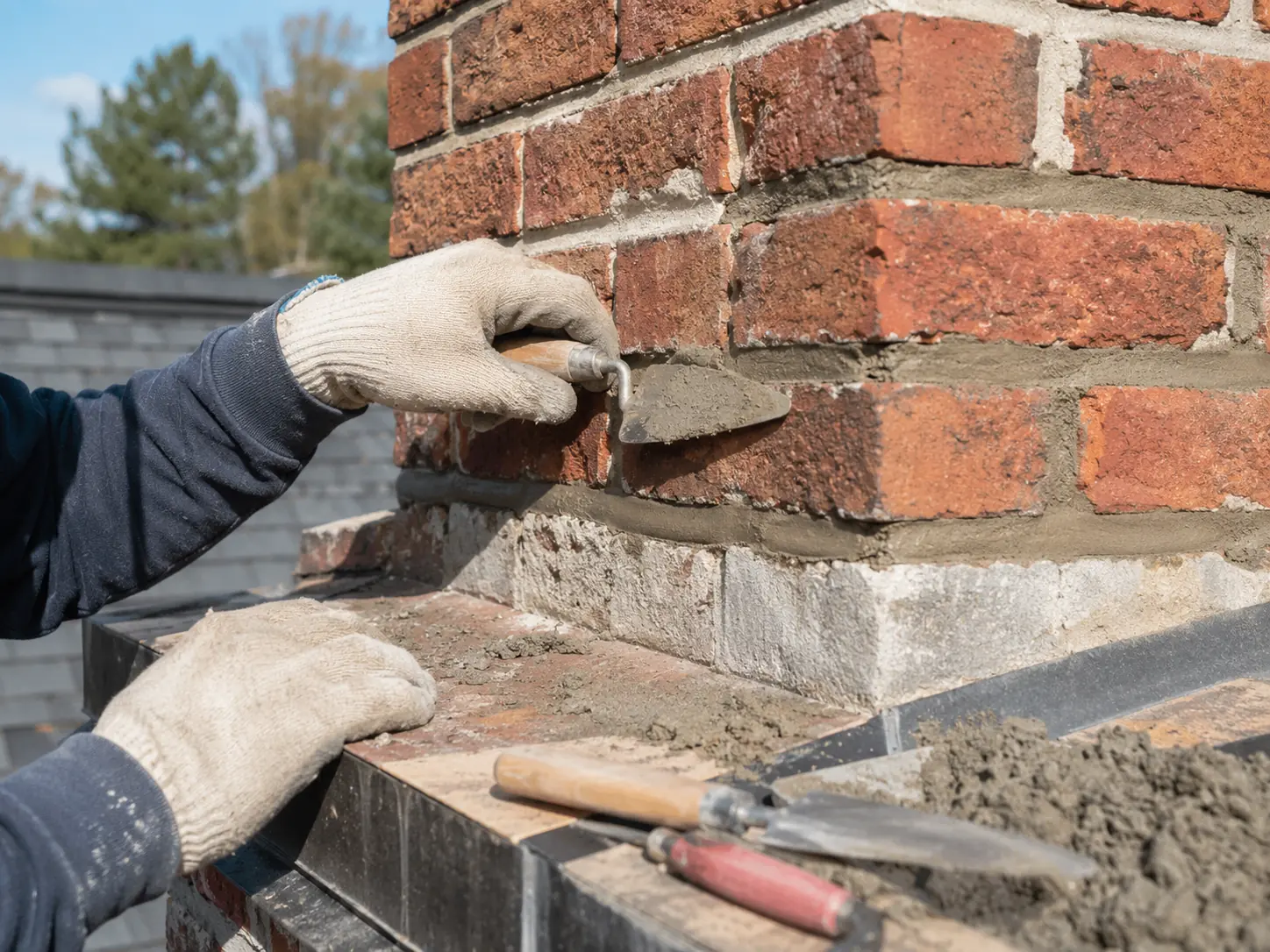
| Masonry & repointing | Rebuilding damaged brick and restoring the mortar joints that hold the structure together |
|---|---|
| Crown repair | Fixing the concrete top surface that sheds water away from the flue |
| Cap replacement | Replacing the cover that keeps rain, animals, and debris out of the flue |
| Flashing repair | Resealing the joint where the chimney meets the roof — a classic leak source |
| Liner service | Addressing the flue liner that carries smoke and heat safely out of the house |
| Waterproofing | Treating the exterior masonry so it stops absorbing the water that causes most of the above |
Why repair quotes differ
What actually drives the cost
Two homeowners with "a cracked chimney" can need very different repairs. These are the things that make the difference — which is exactly why we assess before we quote.
How it works
How a repair actually proceeds
No step gets skipped, and nothing moves to the next step without you.
Assess on site
We look at the actual chimney — roofline, exterior, and the accessible system — not a description of it over the phone.
Photograph & explain
You see photos of what we found and hear what they mean in plain English, including what's fine.
Written scope
The recommended work goes on paper — what gets done, with what materials, for what price — before anything starts.
Your approval
You decide. Take the scope, ask questions, compare it — the work begins only when you say so.
Repair — and show you the result
The work gets done as scoped, and you see the finished repair the same way you saw the problem: with your own eyes.
Before & after
What good repair work looks like
Every Charter Oak repair is photographed before and after — you see the problem and the finished work the same way. The gallery below shows representative examples of the repair types we do; photos from your own job are yours to keep.
Related services
Often booked alongside
FAQ
Repair questions
You see photos of your chimney, taken that day — not a verbal description from the roof. Every recommendation comes with the evidence and a written scope, and if something can safely wait, we say so in writing. You decide from there.
Repair pricing follows an on-site assessment, because two chimneys with the same symptom can need very different work. The assessment is done as a $149 inspection, credited toward the repair if you proceed — and the scope and pricing are put in writing before anything starts.
Sometimes, honestly, yes. Masonry work prefers warm, dry weather, and if the damage is stable we'll tell you it can wait and what to watch for. An active leak is different — water works year-round, so leaks shouldn't wait for a convenient season.
Yes. Anything that hits the roofline deserves a look at the chimney too. We start with an assessment and photo documentation of what the storm actually did, then scope the repair in writing — the photos are also useful if an insurance conversation follows.
Book online: choose the service that fits, pick a preferred date and arrival window, and send the request. We review every request and confirm the window with you before the visit.
Next step
Seen something on your chimney? Let's look at it properly.
A photo-documented assessment, a written scope, and a straight answer about what can wait.