Safety guide — Connecticut homes
Fireplace & chimney safety, without the scare tactics.
Most fireplace problems are preventable with a few habits and one annual check. Here's what actually matters — and what deserves a professional's eyes.
First things first: if there's an active fire, heavy smoke, or you suspect carbon monoxide in your home, leave the house and call 911 before anything else. A booking form is never an emergency response — no chimney company's is.
$149 inspection fee, credited toward service if you proceed.
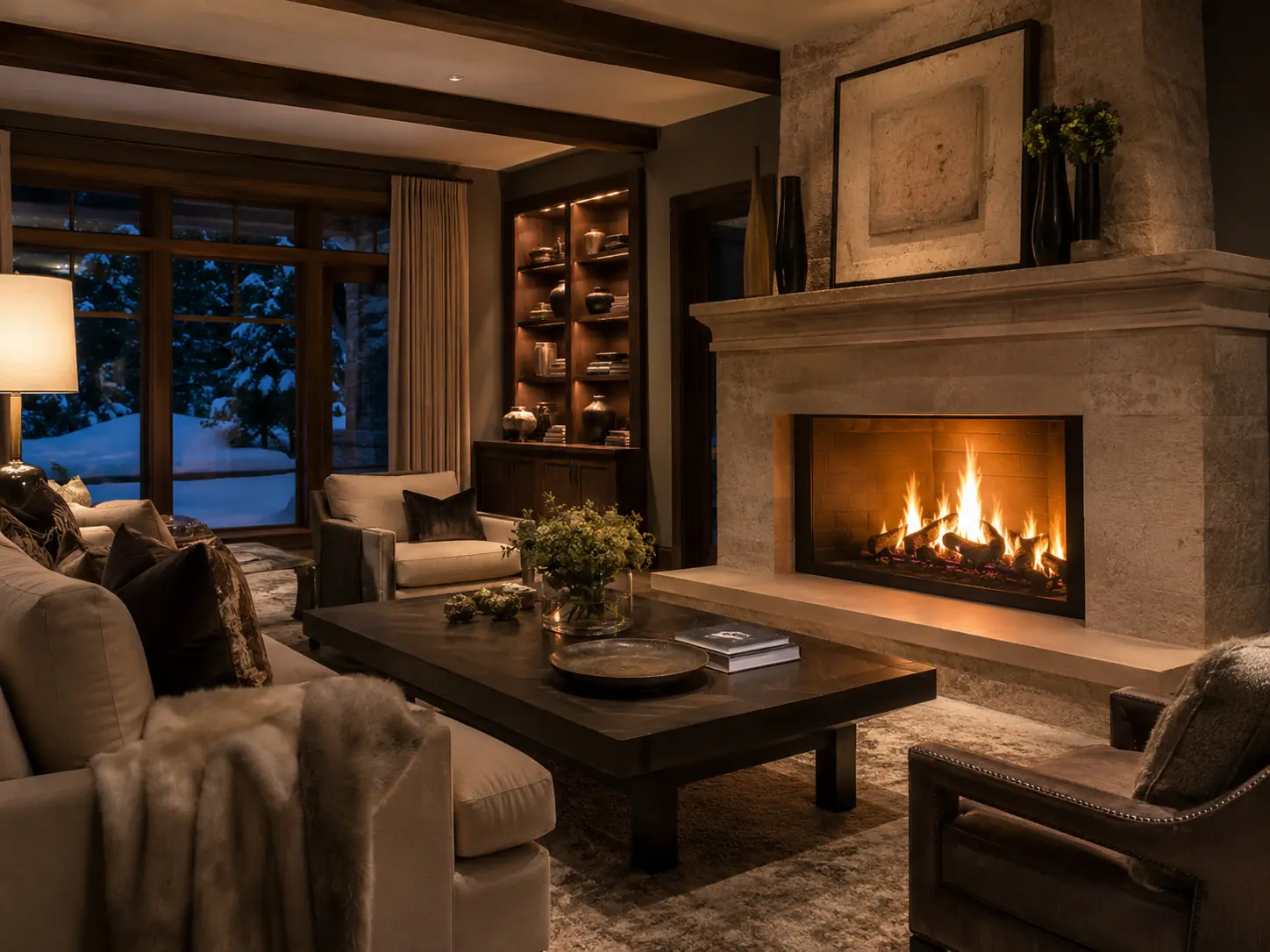
Safe-burning basics
Five habits that prevent most fireplace trouble
None of this is complicated. Done consistently, it keeps the flue cleaner, the fire where it belongs, and the smoke going up instead of in.
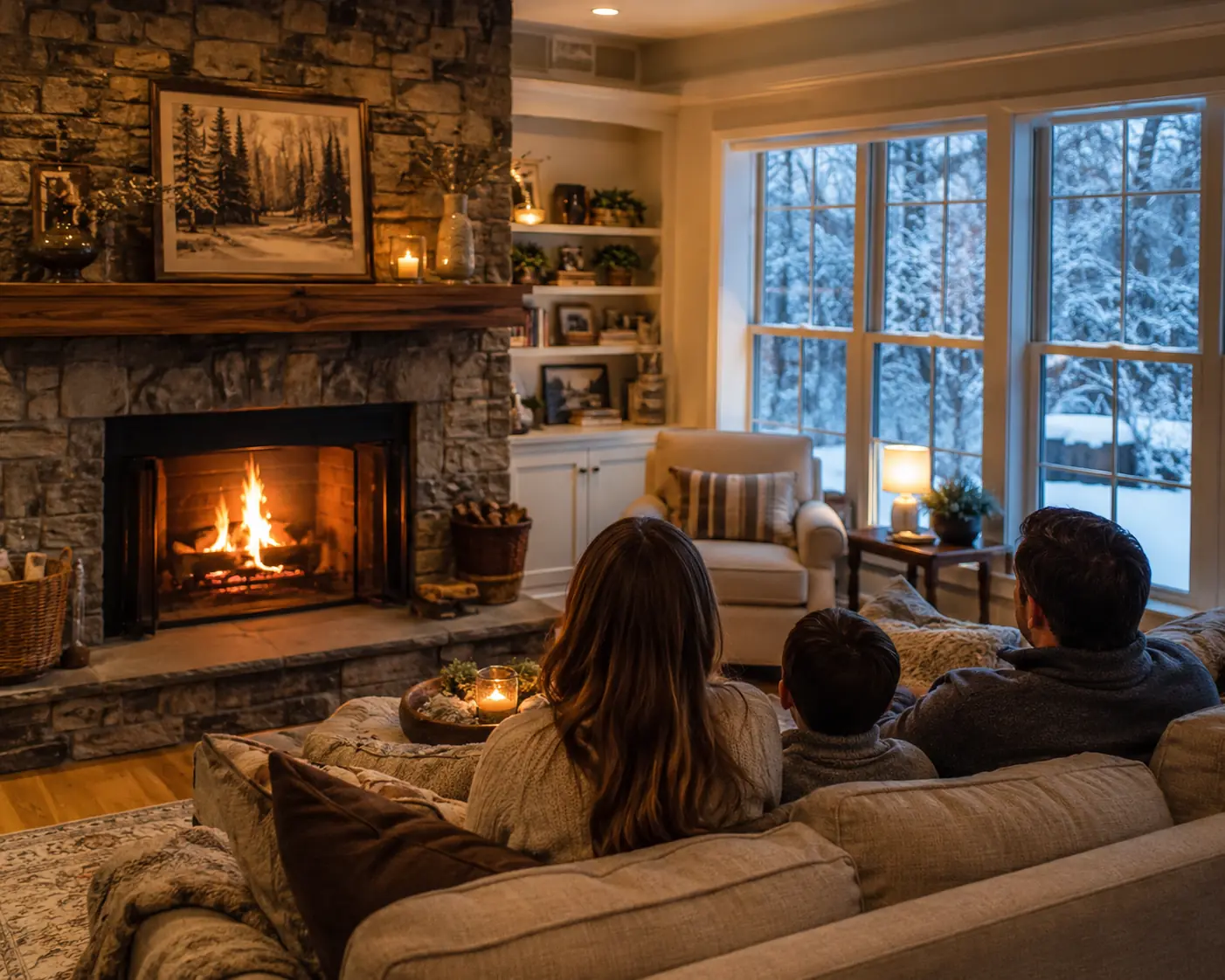
Warning signs
What deserves prompt professional attention
These aren't reasons to panic — they're reasons to stop using the fireplace until someone qualified has looked at it.
Carbon monoxide basics
The one you can't see or smell
Carbon monoxide is produced whenever fuel burns — wood, gas, or oil. A healthy chimney carries it out of the house. Detectors are your backstop, not an optional extra.
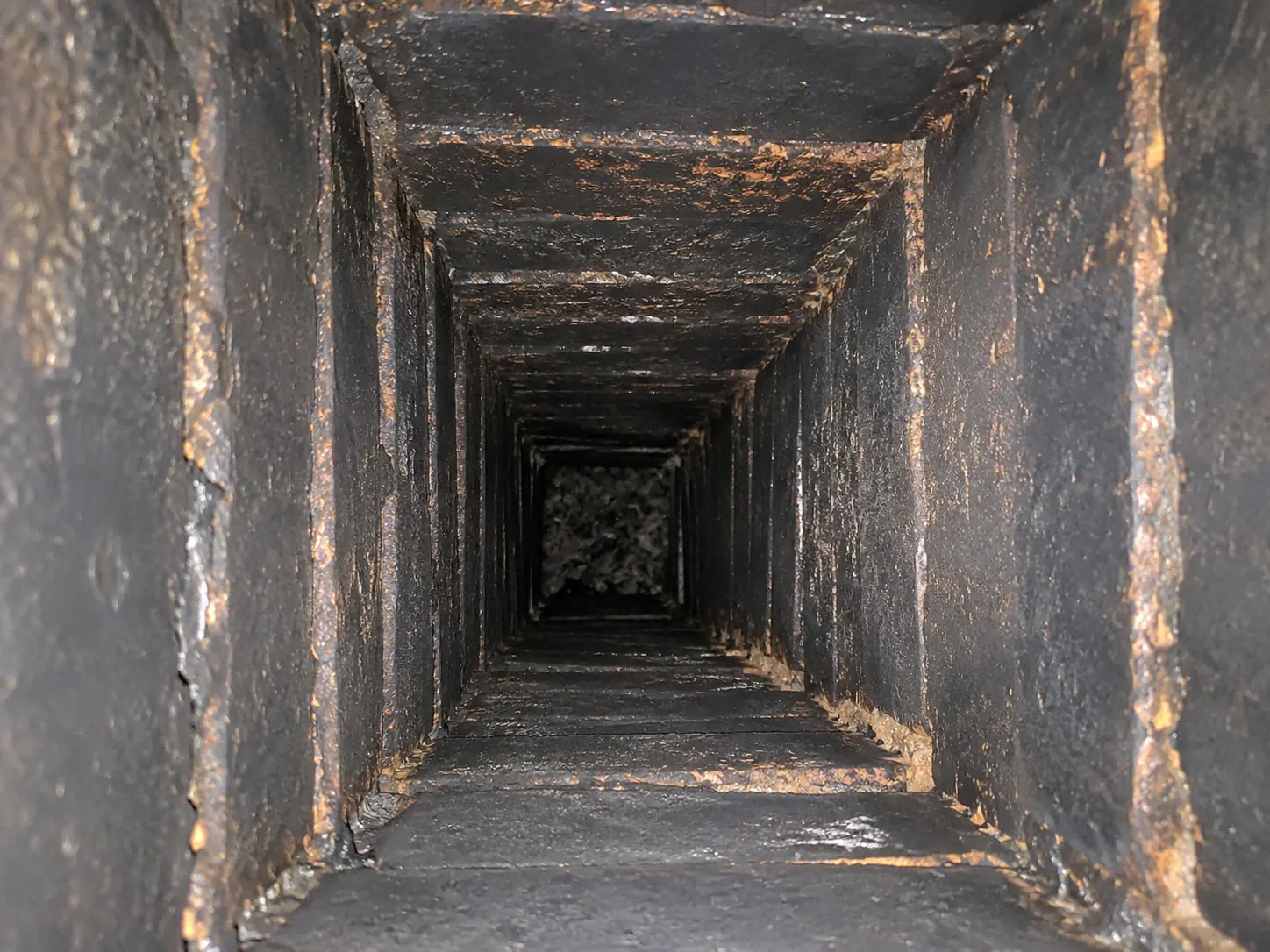
The annual check
Once a year, whether or not it "seems fine"
The National Fire Protection Association's standard for chimneys (NFPA 211) recommends an annual inspection — even for fireplaces that get light use. The reasoning is simple: the problems that matter most, like creosote buildup, a cracked flue tile, or water working into the structure, develop out of sight. You can't see them from the living room, and by the time they announce themselves, the repair is bigger.
When in doubt, that's the move: book an inspection. Ours is $149, credited toward service if you proceed — with photos of what we find and a written summary in plain English. If everything's fine, you'll know that too.
Next step
Burn the season with a clear conscience.
One annual inspection covers the things on this page you can't check yourself. $149, credited toward service if you proceed.