When it comes to chimney, fireplace, and furnace-venting problems, the most common mistake homeowners make is simple: they wait too long before calling a professional.
Most serious chimney problems do not start as major emergencies. They usually begin with small warning signs that are easy to ignore. A little smoke coming back into the room. A faint smoky or musty odor. A small water stain near the chimney. Loose mortar. Rust on the damper. Black soot around the fireplace. A furnace vent that looks worn, rusted, or damaged.
Because the fireplace, furnace, or water heater may still appear to be working, many homeowners assume the issue is not urgent. Unfortunately, that is often when the problem becomes more expensive — and sometimes more dangerous.
Small Chimney Problems Can Turn Into Expensive Repairs
One of the biggest things homeowners need to understand is that chimney damage usually gets worse over time.
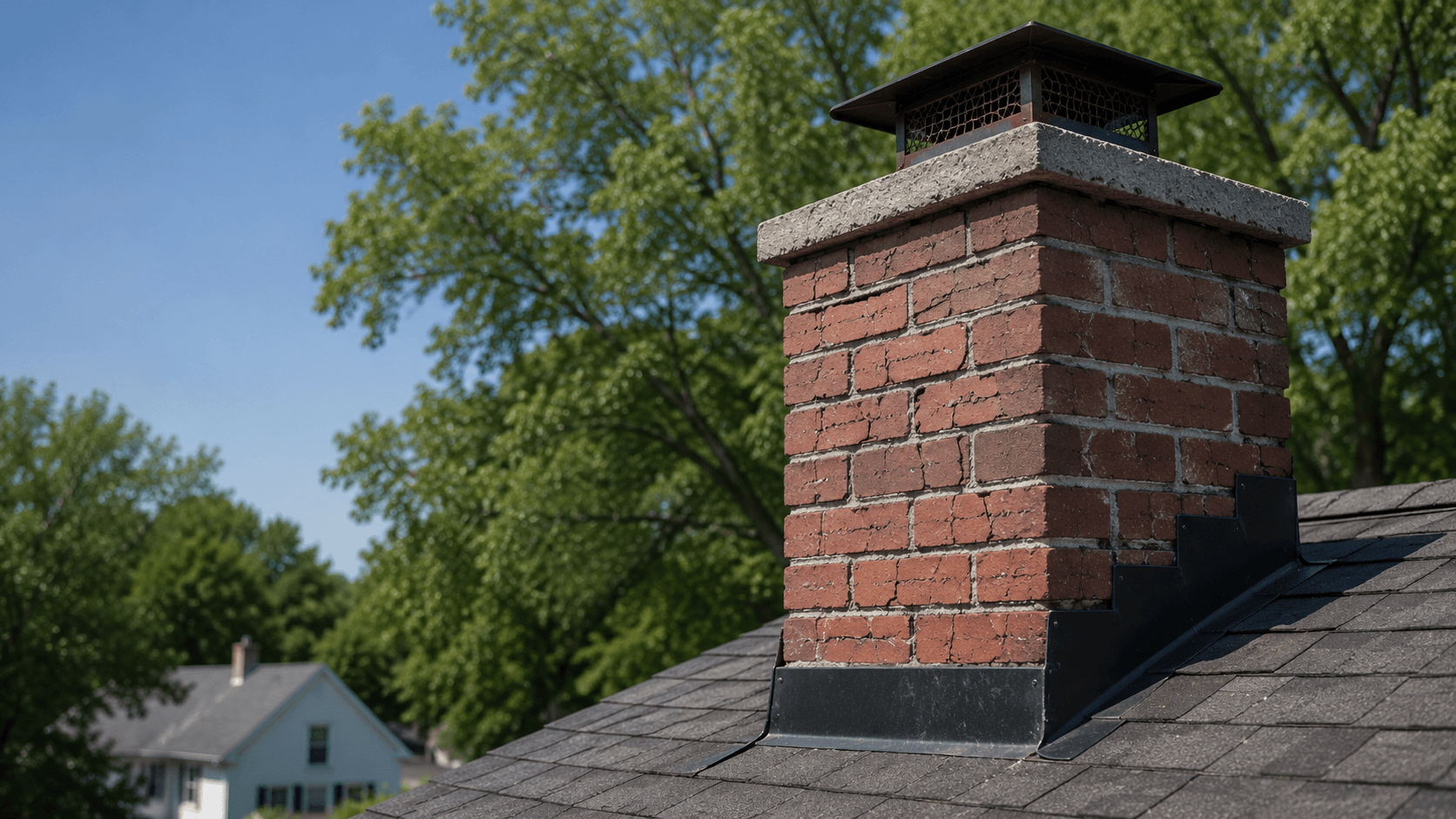
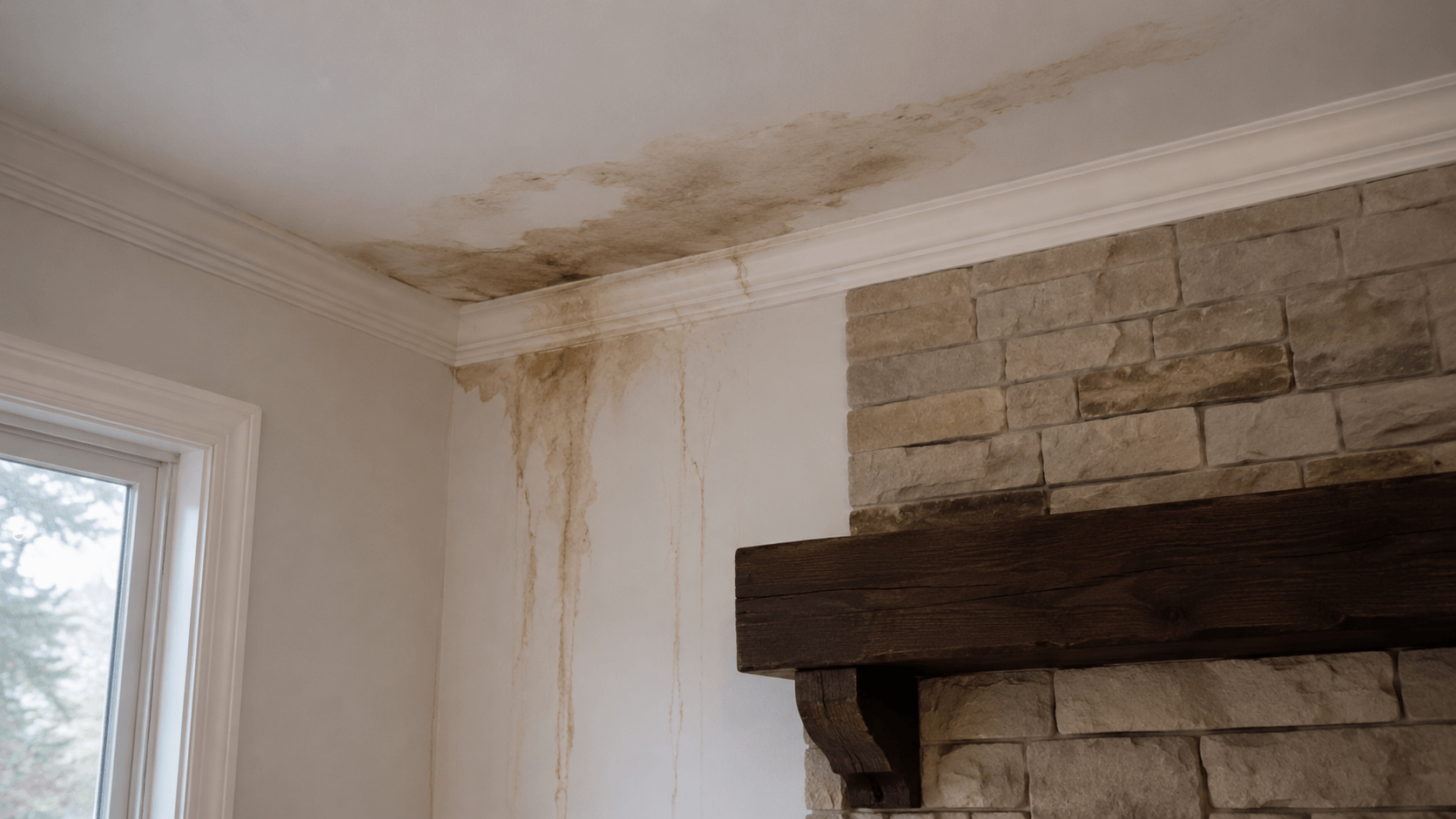
A small leak around the chimney may not seem serious at first. But once water gets into the masonry system, it can damage the brick, mortar joints, chimney crown, flashing, firebox, and even the flue liner. What could have been a minor repair can turn into major masonry work if it is ignored for too long.
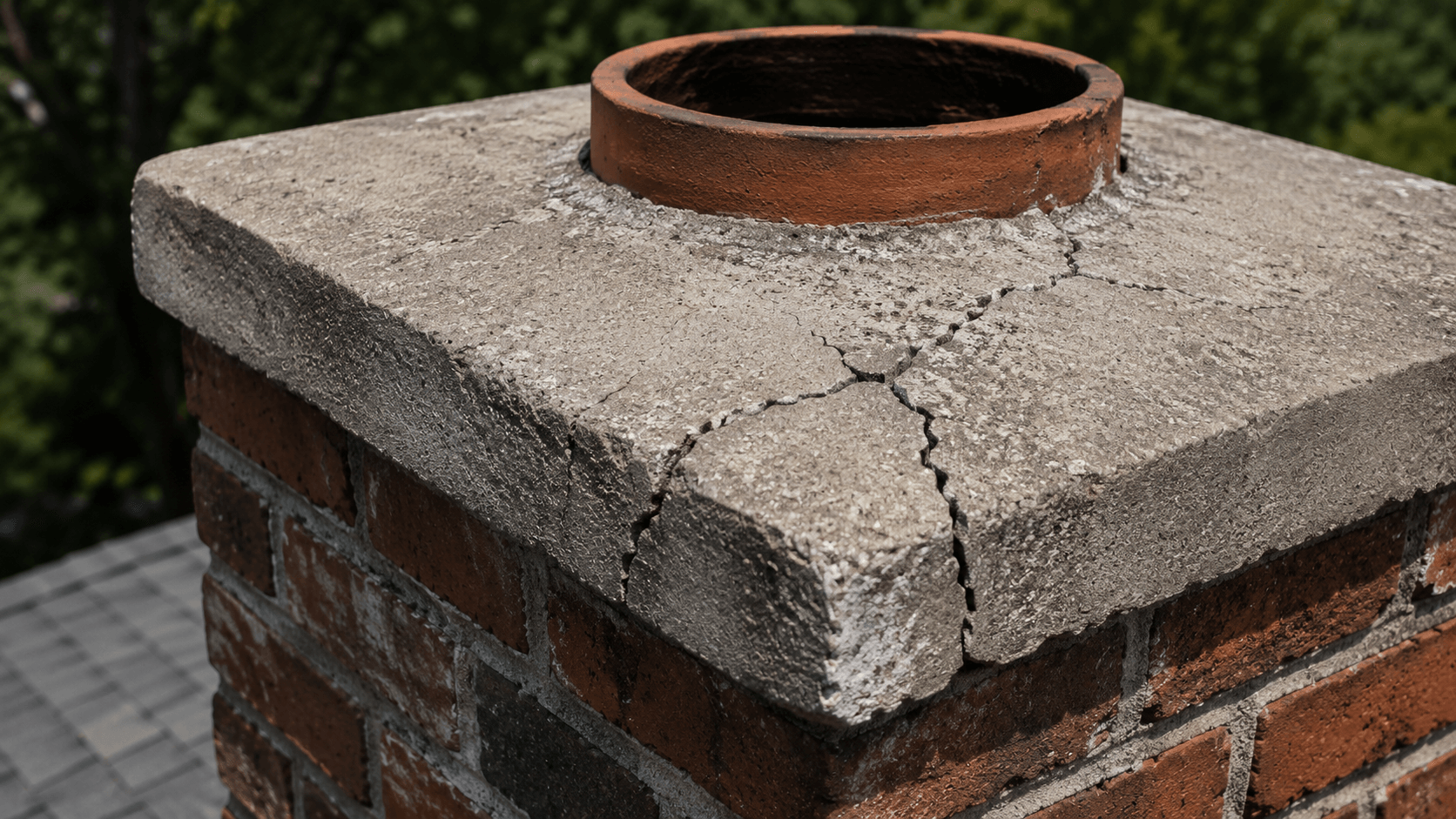
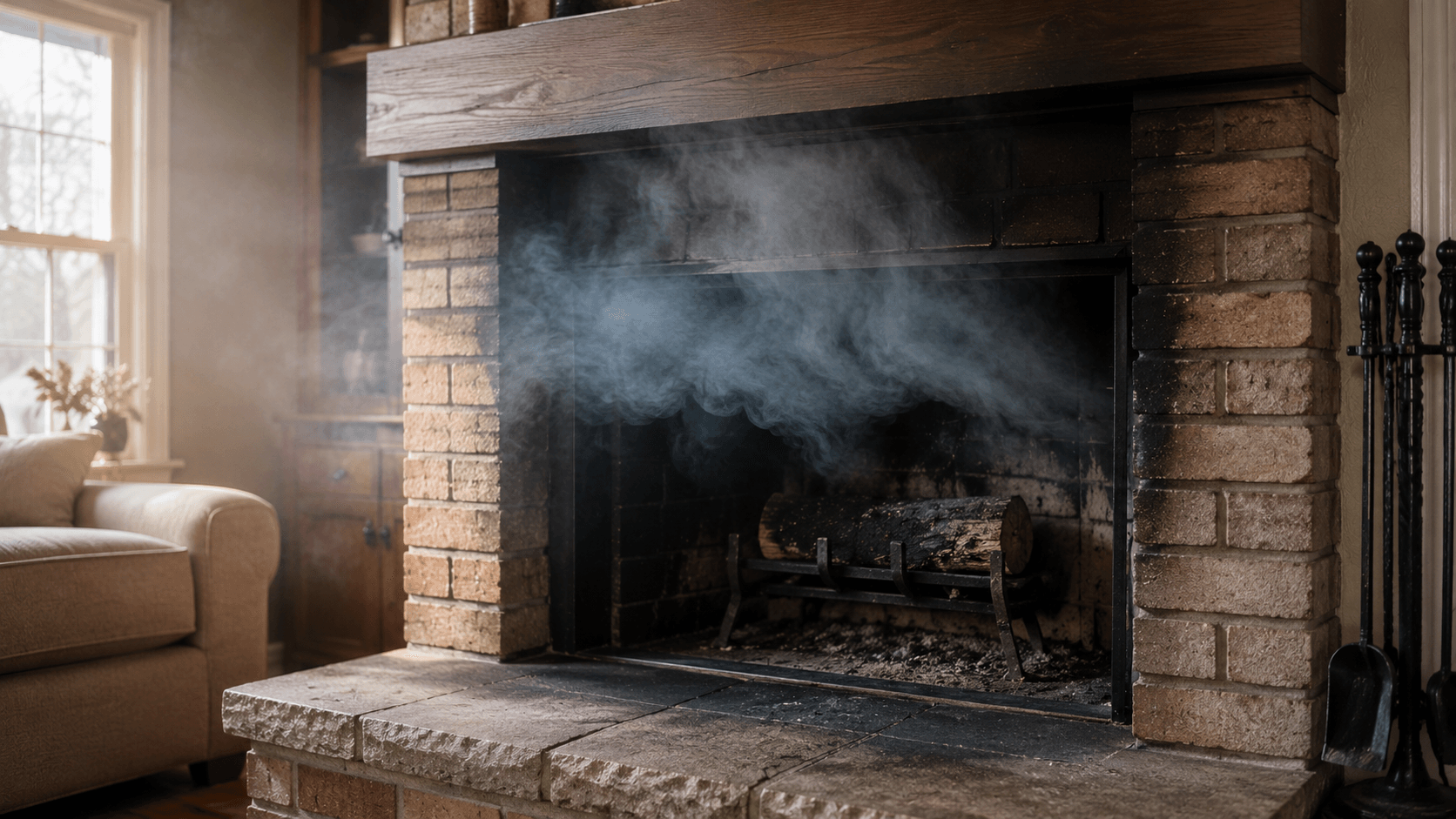
The same is true with smoke and draft issues. If smoke is coming back into the home, that is not normal fireplace behavior. It may be caused by a blockage, poor draft, creosote buildup, animal nesting, a damaged damper, or another venting issue. Waiting to see if it "goes away" can put the home at risk.
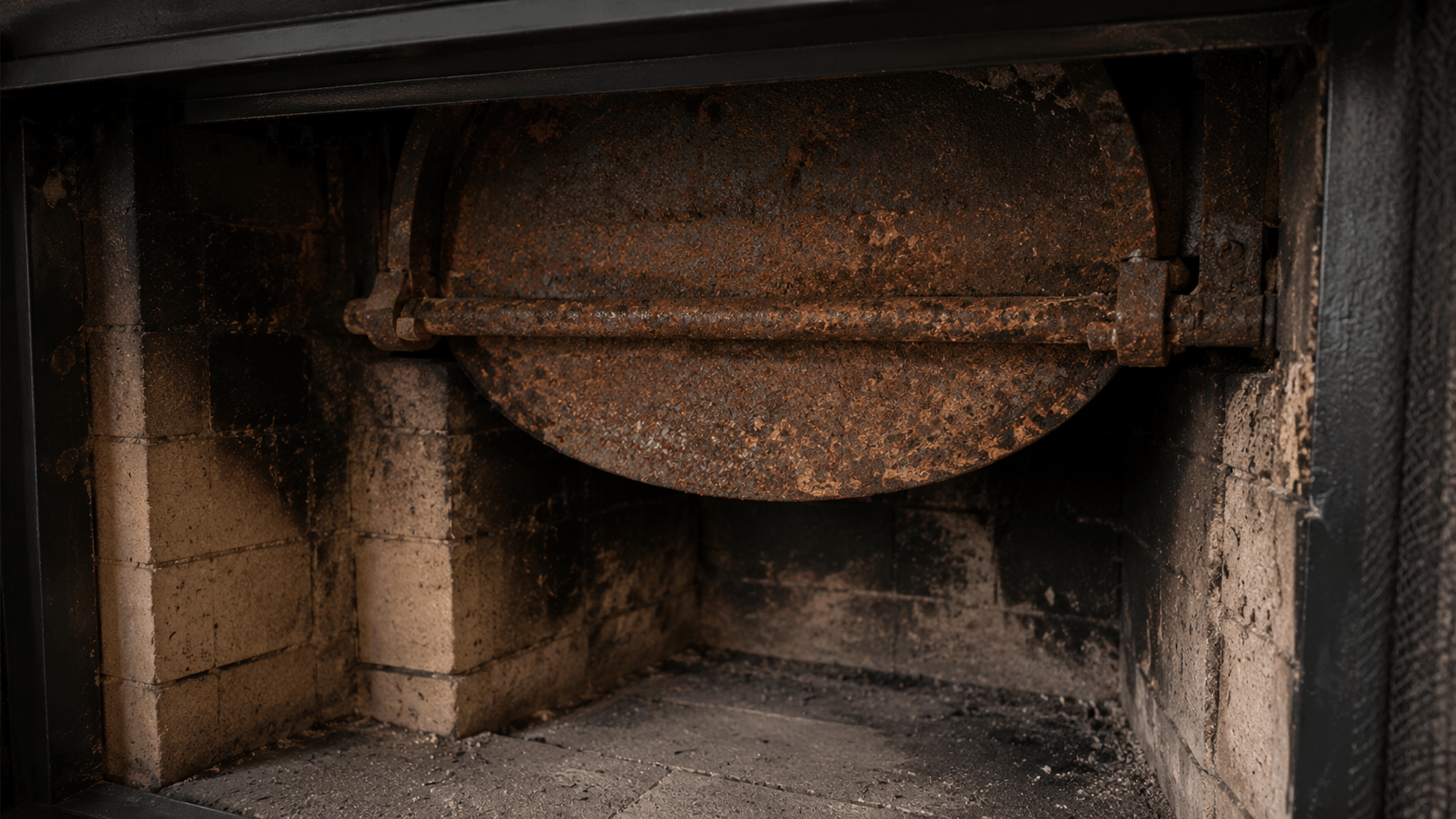
Rust is another warning sign homeowners often overlook. Rust on a damper, firebox, chimney cap, or furnace vent usually means moisture is present where it should not be. By the time rust is visible, the system may have been exposed to water for a while.
The Dangerous Mistake: Using the System Before It Is Checked
The second major mistake homeowners make is continuing to use the fireplace, furnace, or water heater before the system has been inspected.
With chimney and venting systems, the risk is not only property damage. A damaged, blocked, or poorly drafting system can create serious safety concerns. Smoke can enter the living space. Creosote buildup can increase the risk of a chimney fire. Furnace and water-heater venting problems can create a carbon monoxide risk.
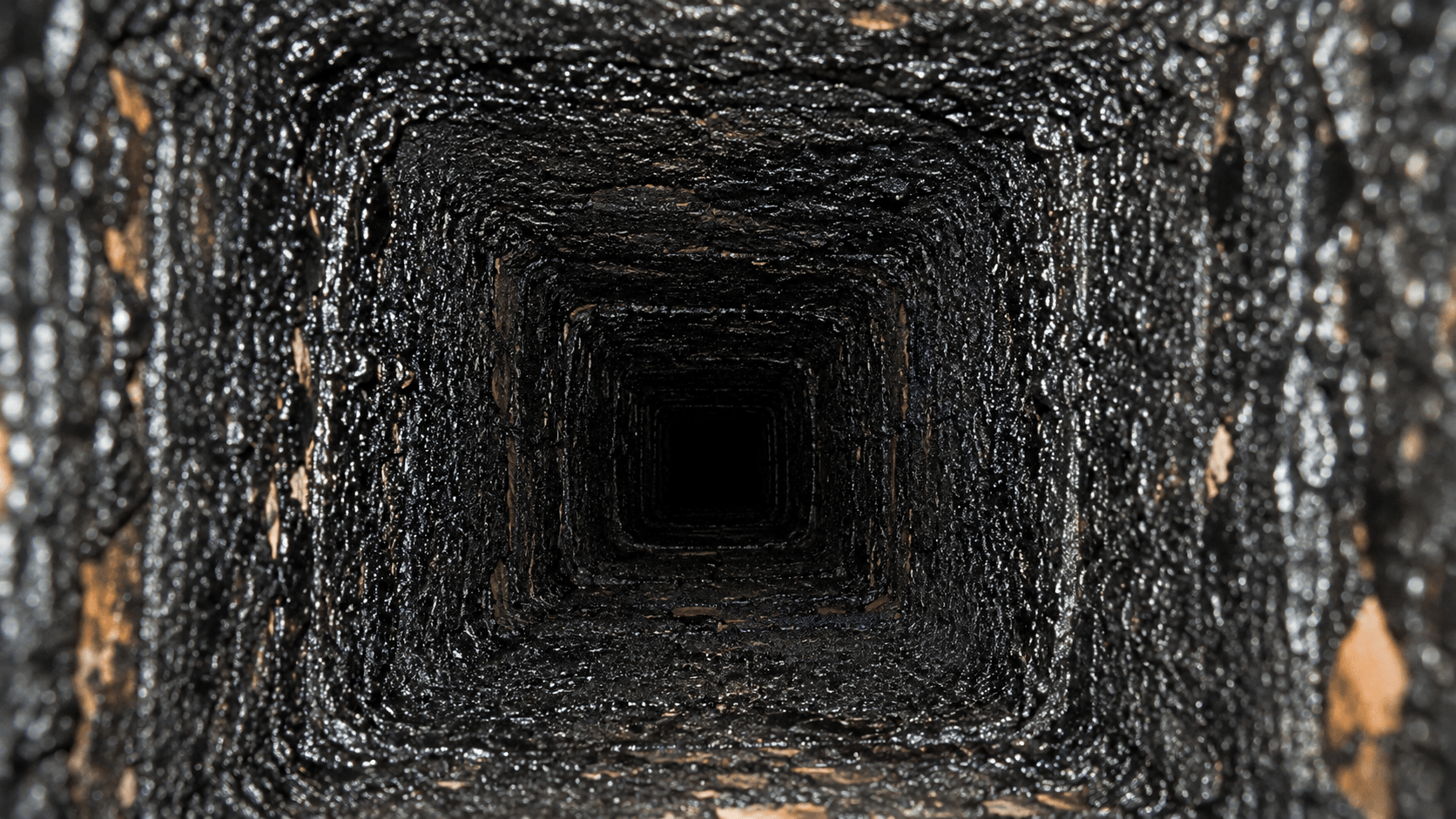
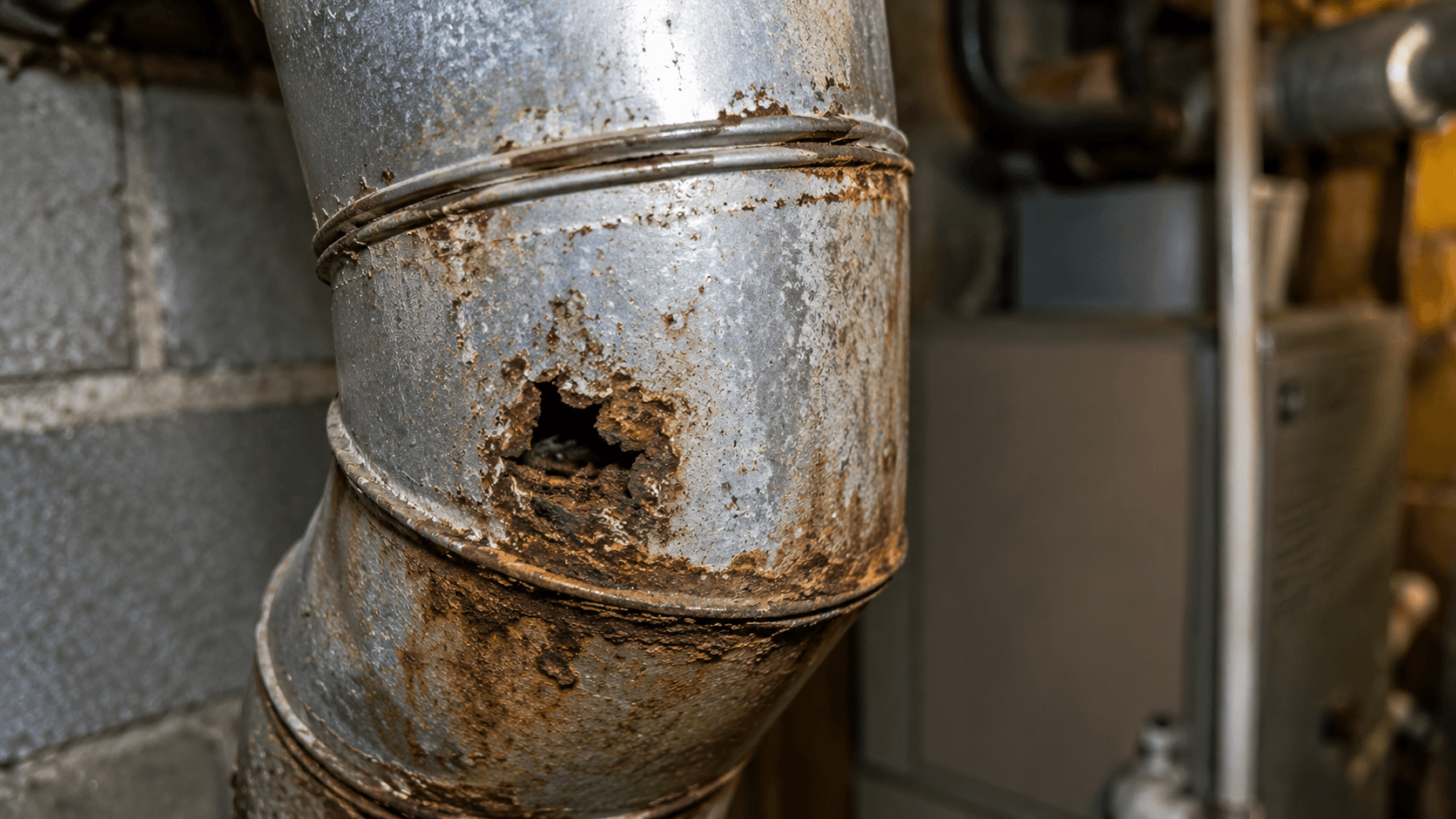
That is why homeowners should take unusual smells, smoke, soot, rust, water stains, and venting issues seriously. These signs do not always mean the repair will be major, but they do mean the system should be looked at before it continues to be used.
Why a Cheap Patch Is Not Always the Right Fix
Another mistake homeowners make is shopping for the cheapest quick fix without understanding the real cause of the problem.
A homeowner may see a stain, crack, odor, or leak and assume it only needs a small patch. Sometimes that may be true. But many chimney problems have more than one possible cause. Water may be entering through the crown, flashing, brickwork, mortar joints, or missing chimney cap. Smoke may be caused by draft issues, blockage, creosote, chimney height, or an appliance venting problem.
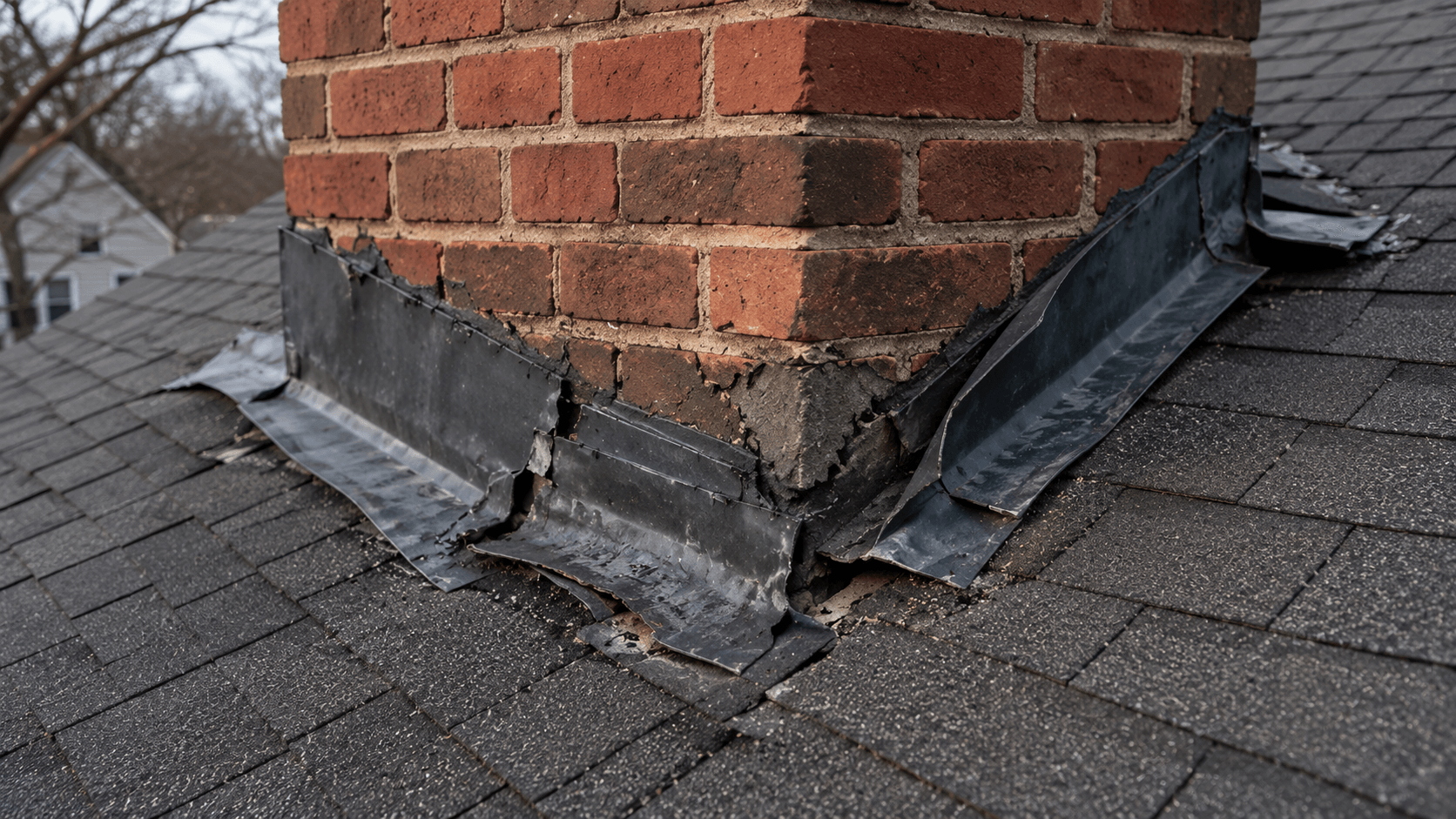
If the source of the issue is not found, a cheap repair may only hide the symptom for a short time. The homeowner may end up paying twice: once for the patch, and again for the real chimney repair later.
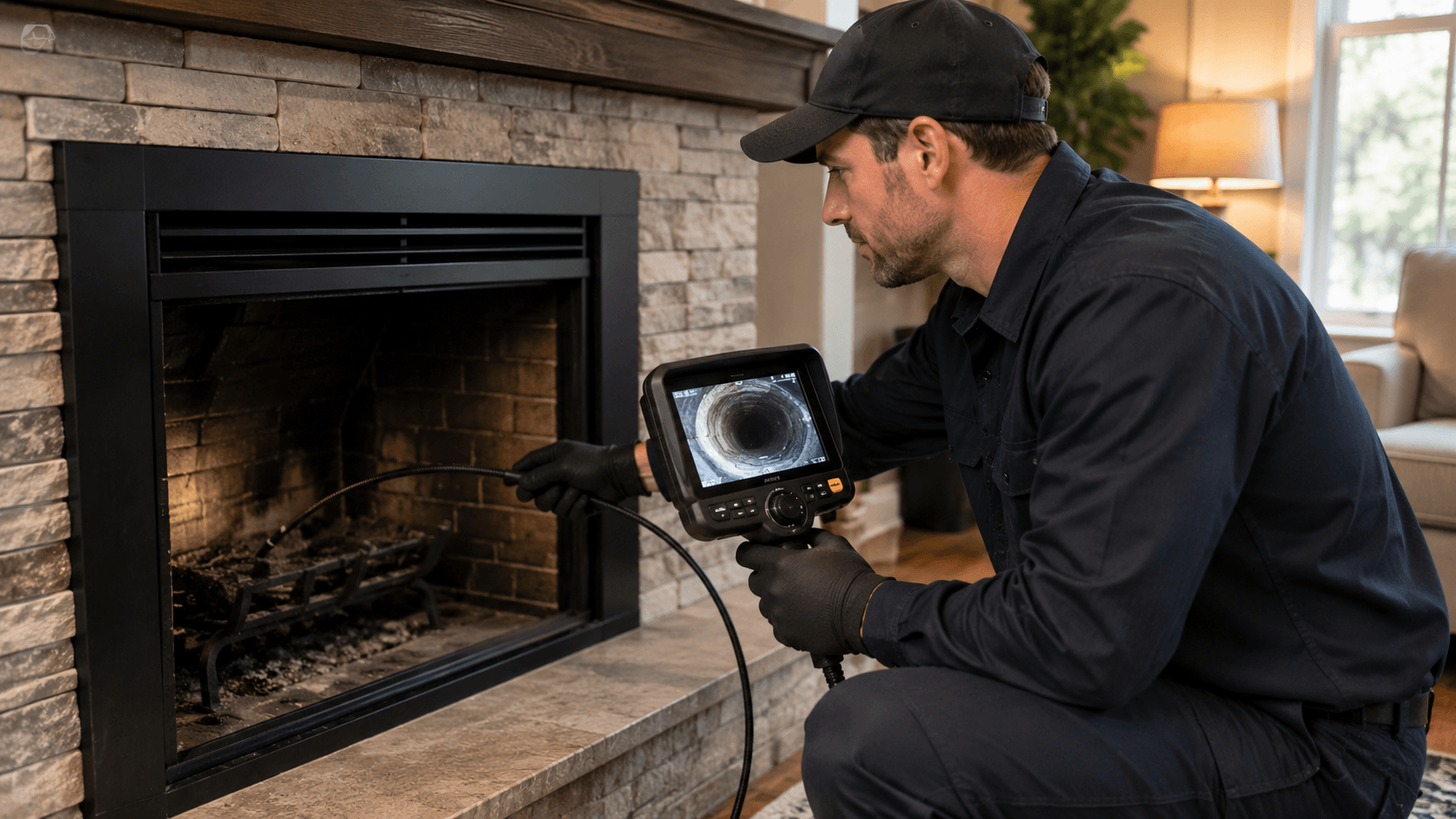
When Should a Homeowner Call for a Chimney Inspection?
A homeowner should schedule an inspection if they notice any of the following:
- Smoke coming back into the house
- Strong smoky, musty, or burnt odors
- Water stains near the chimney or fireplace
- White staining on exterior brick
- Cracked or missing mortar
- Loose bricks
- Rust on the damper, firebox, cap, or vent pipe
- Black soot around the fireplace or appliance vent
- Pieces of tile, brick, or debris in the fireplace
- Furnace or water-heater venting that looks damaged or corroded
- A carbon monoxide alarm going off
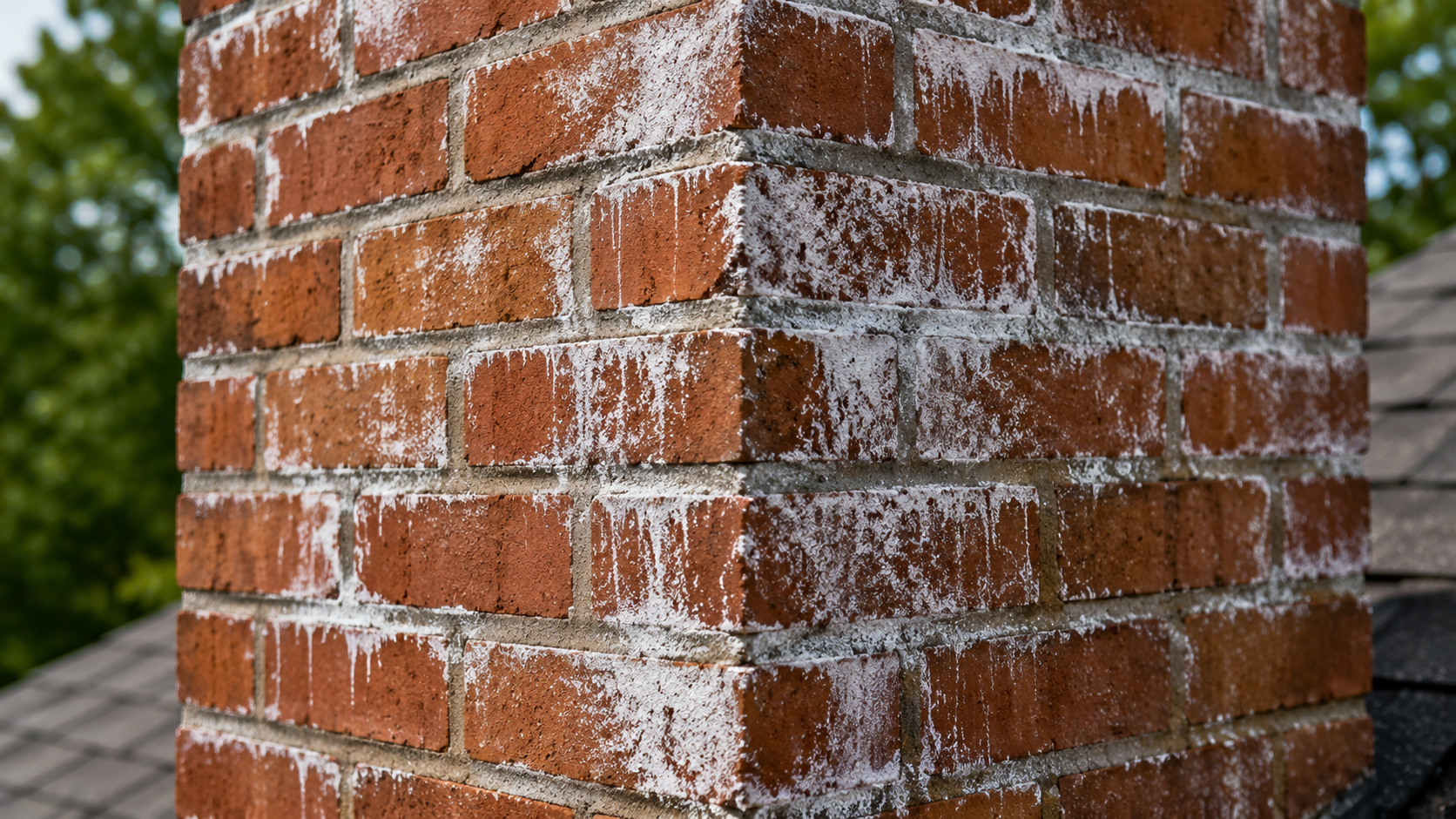
The safest rule is simple: if something looks, smells, or performs differently than normal, stop using the system and have it checked.
The Best Repair Is Usually the One Done Early
In the field, the least expensive repairs are usually the ones handled early. The most expensive repairs often happen when a homeowner waits, guesses, or hires someone to "just patch it" without identifying the real cause.
Chimneys, fireplaces, and furnace vents are not only cosmetic parts of a home. They are safety systems. Their job is to move smoke, gases, heat, and exhaust out of the house properly.
If you notice signs of smoke, water, rust, soot, odor, cracking, loose masonry, or poor draft, do not wait until the problem becomes obvious from the outside. A professional chimney inspection can help identify the issue early, reduce risk, and prevent a small repair from becoming a major project.
The bottom line: waiting is usually what costs homeowners the most. Early inspection is almost always safer, smarter, and less expensive than emergency repair later.