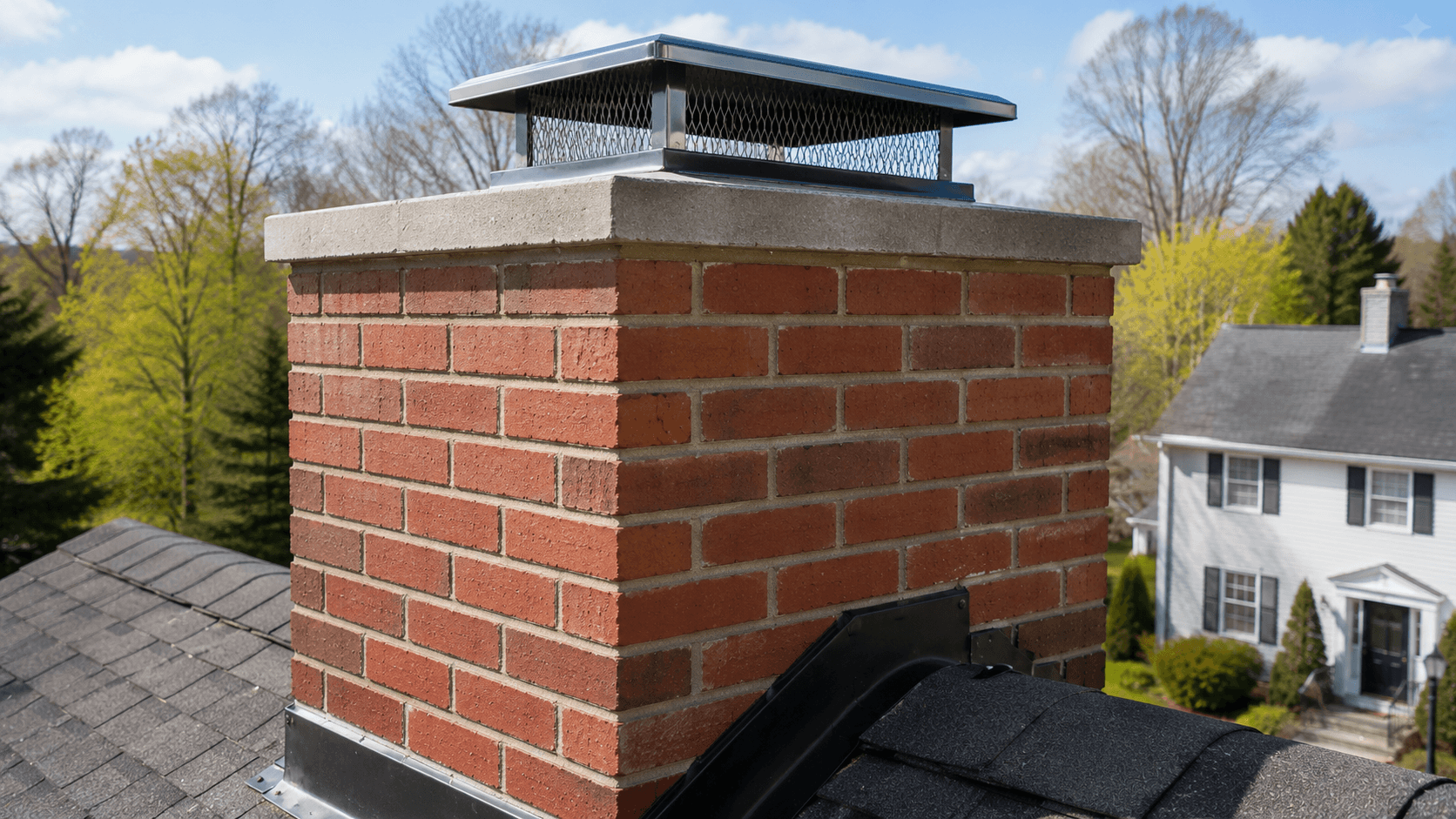

One problem that often looks small to the homeowner at first is a small water stain near the chimney or fireplace.
A homeowner may see a light brown stain on the ceiling, a little discoloration on the wall, or some moisture around the firebox and think it is just a minor leak. But in the field, that small stain can be the first visible sign of a much bigger chimney problem.
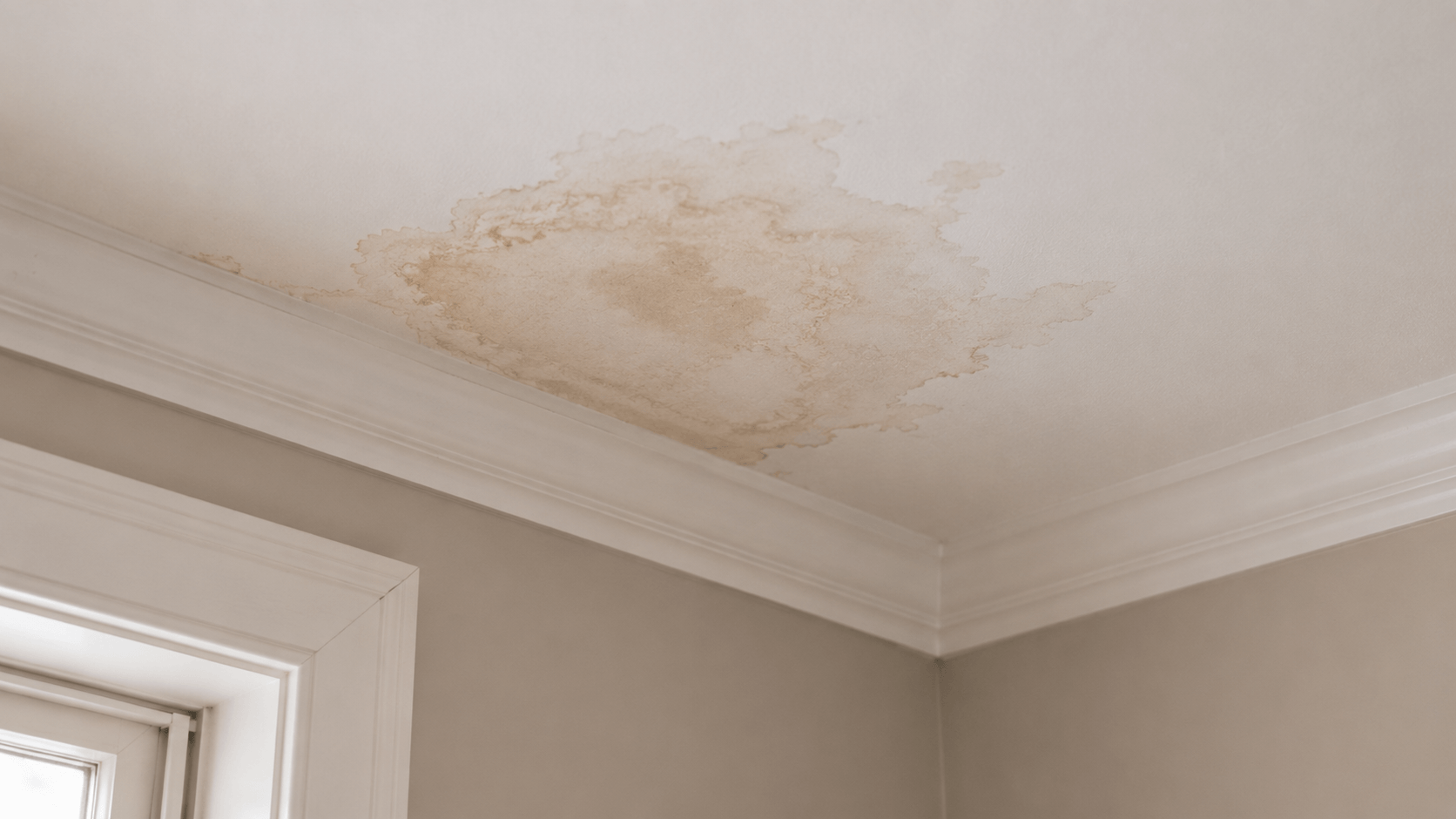
Why a Small Water Stain Should Not Be Ignored
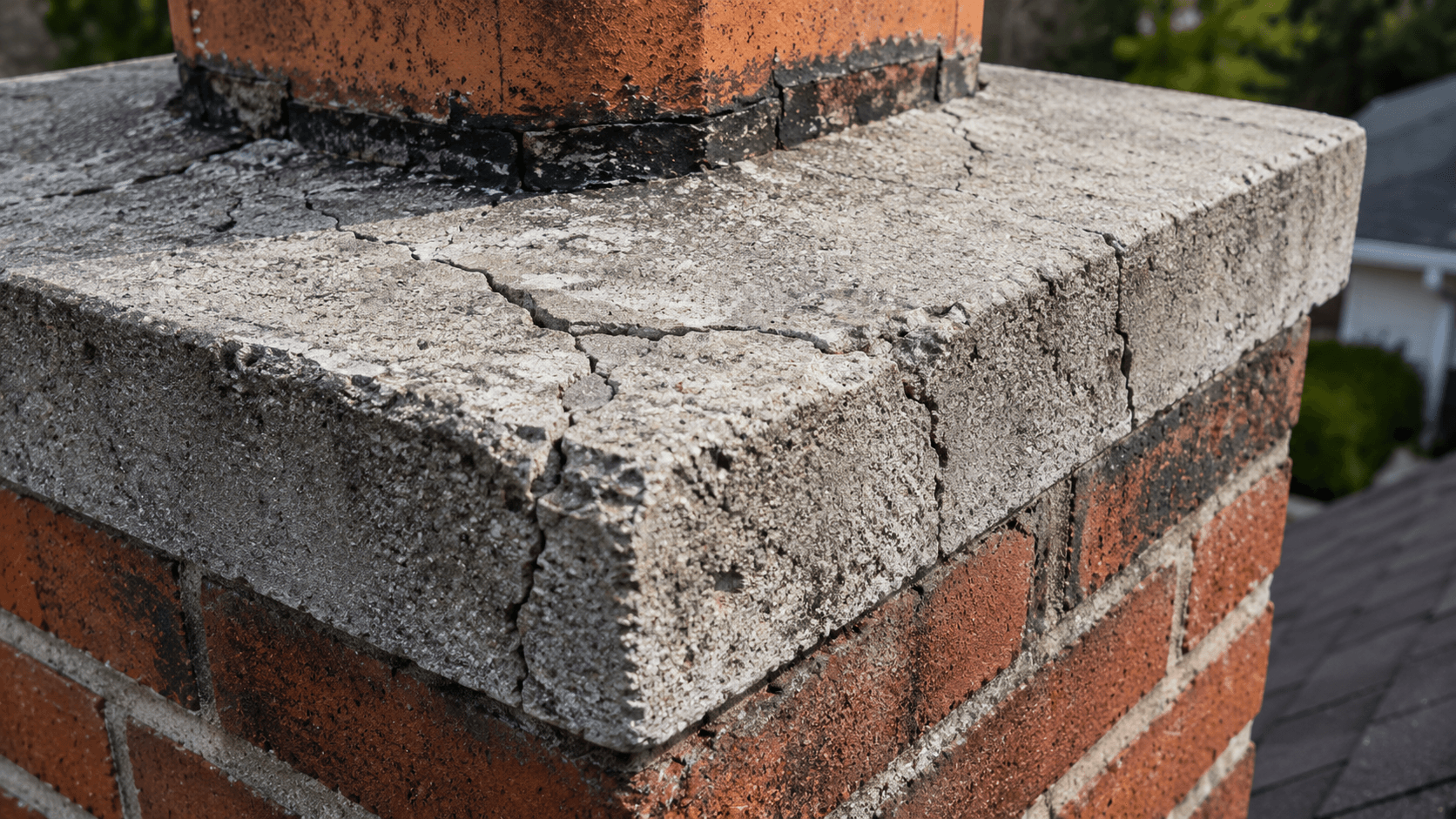
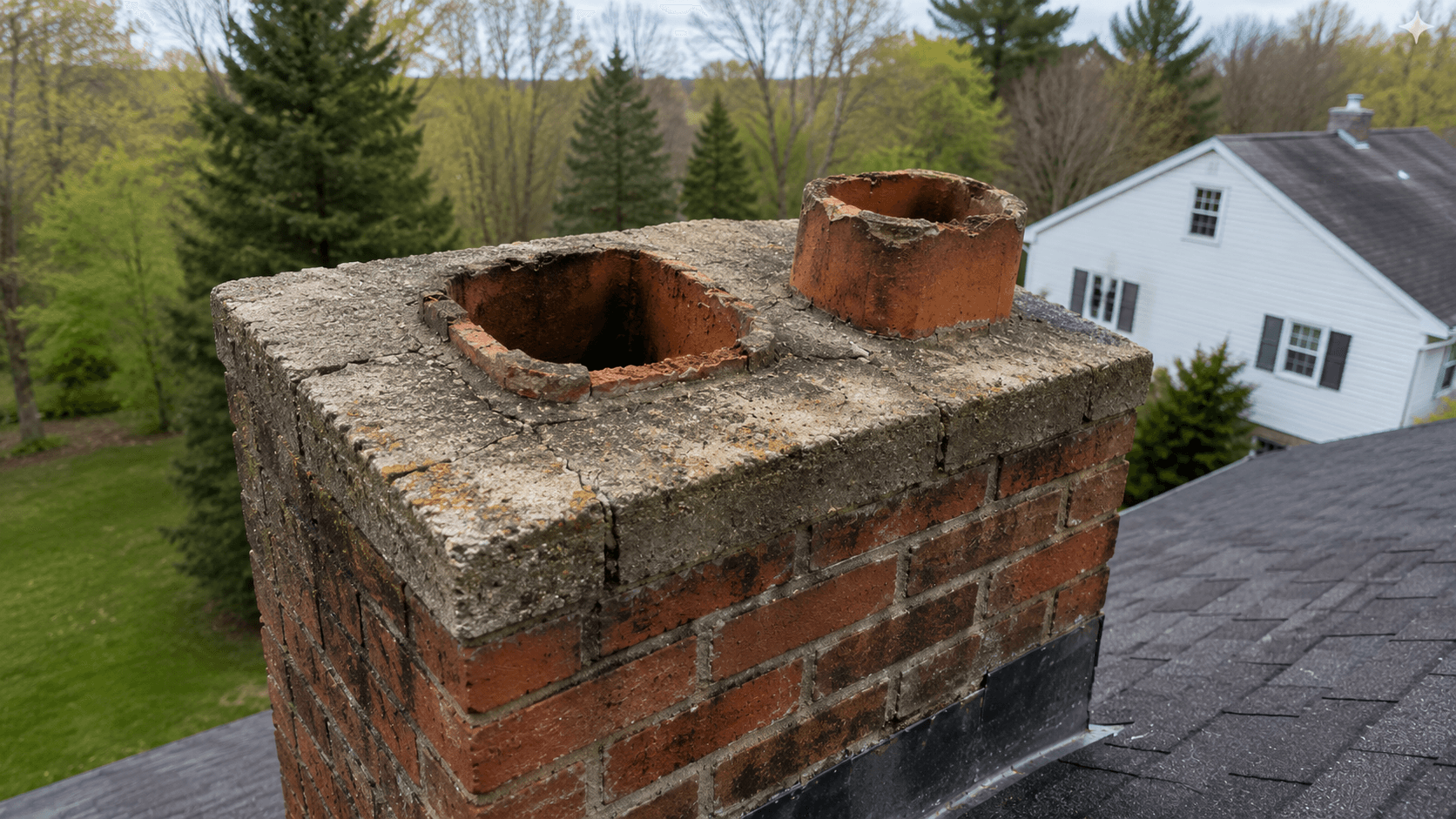
Water may be getting in through cracked flashing, damaged mortar joints, a deteriorated chimney crown, missing or damaged chimney cap, porous brick, or even through the flue system. By the time water shows up inside the house, it may have already been traveling through the chimney structure for a while.
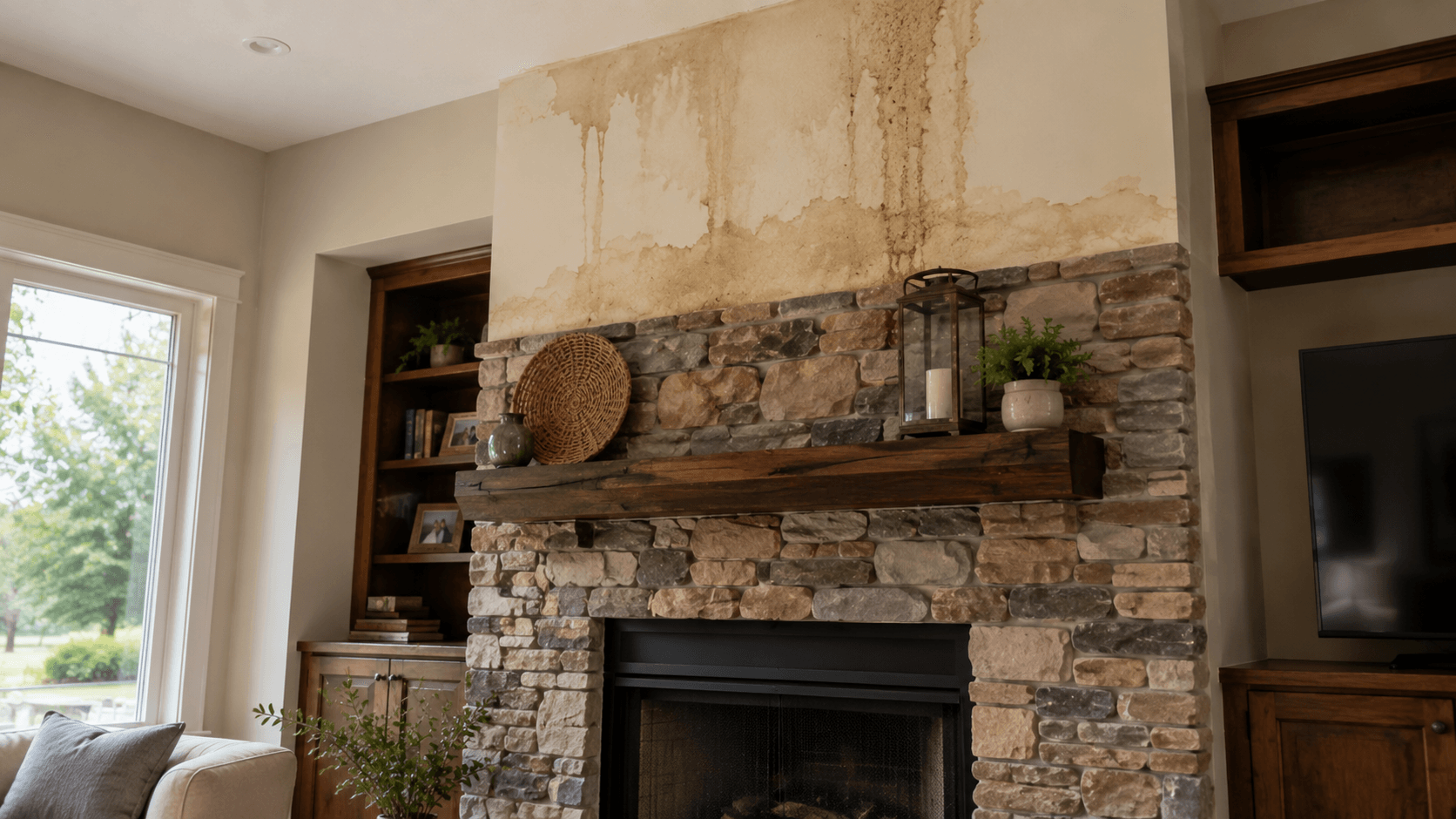
Common Places Water Can Enter a Chimney
When we inspect a chimney with moisture problems, these are the most common points of water entry:
- Cracked or poorly sealed chimney flashing
- Damaged mortar joints
- Deteriorated chimney crown
- Missing or damaged chimney cap
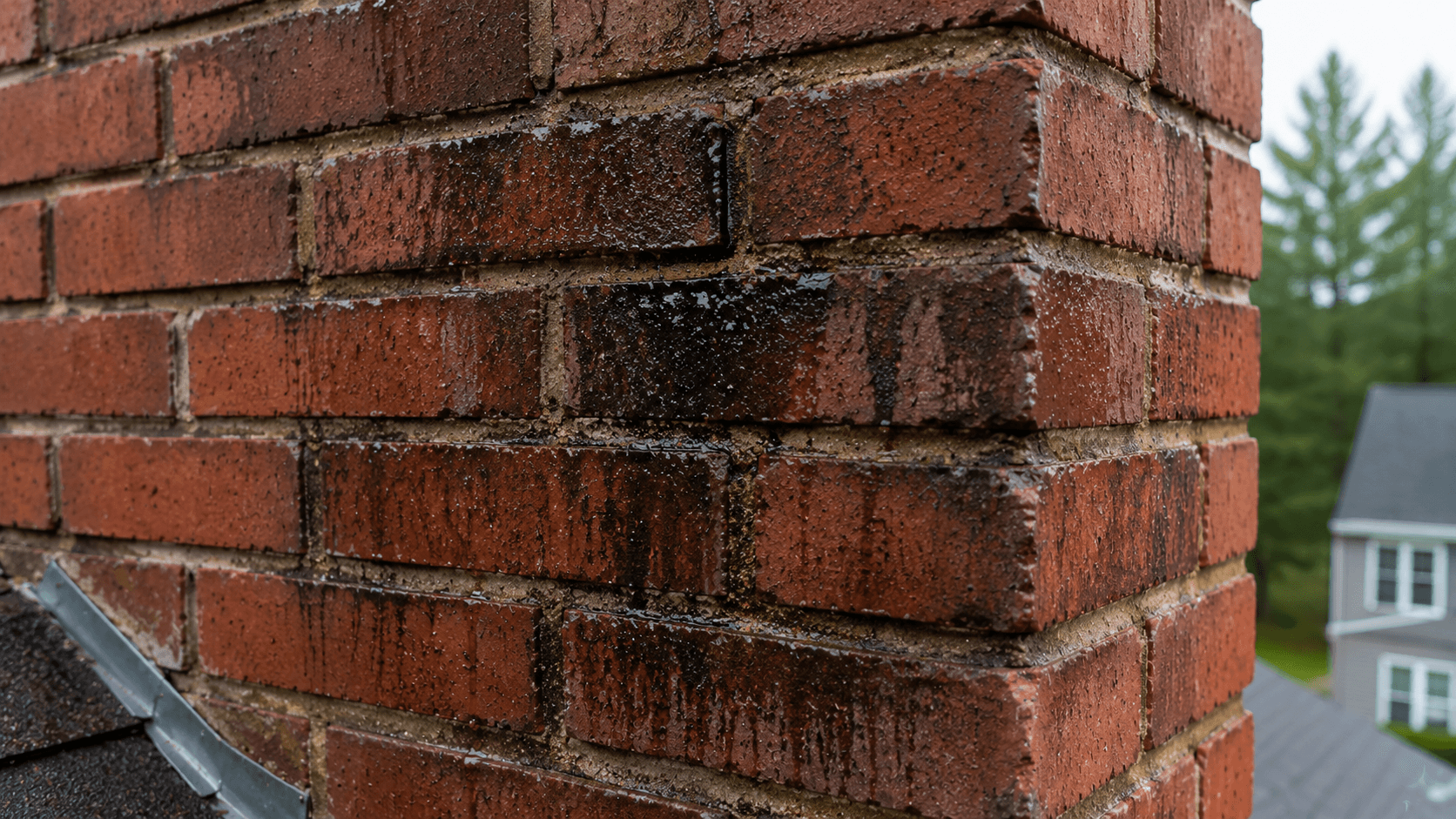
- Porous or aging brick
- Flue or liner-related water entry
- Gaps around the roof and chimney connection
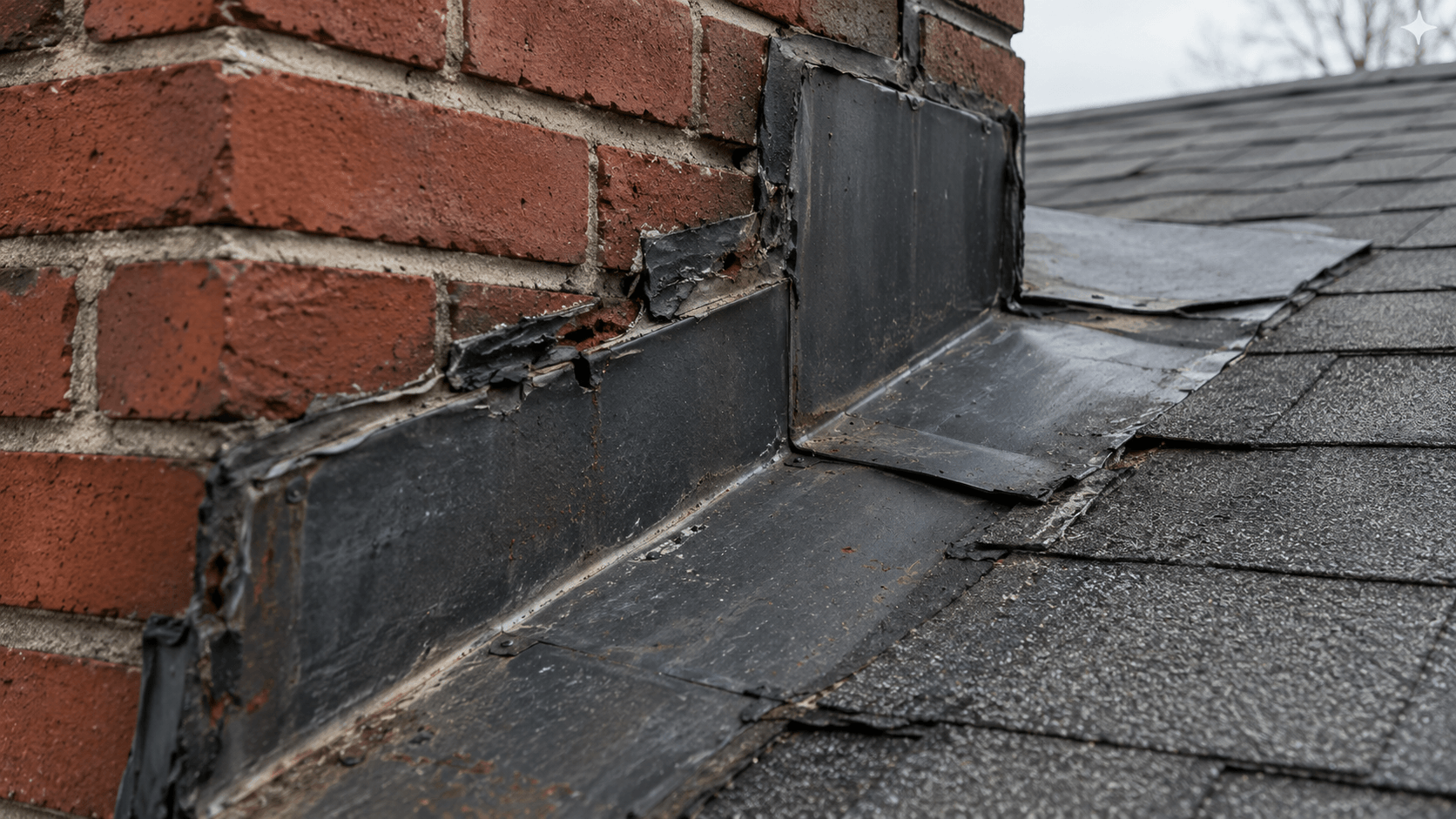
What Water Damage Can Do Inside a Chimney
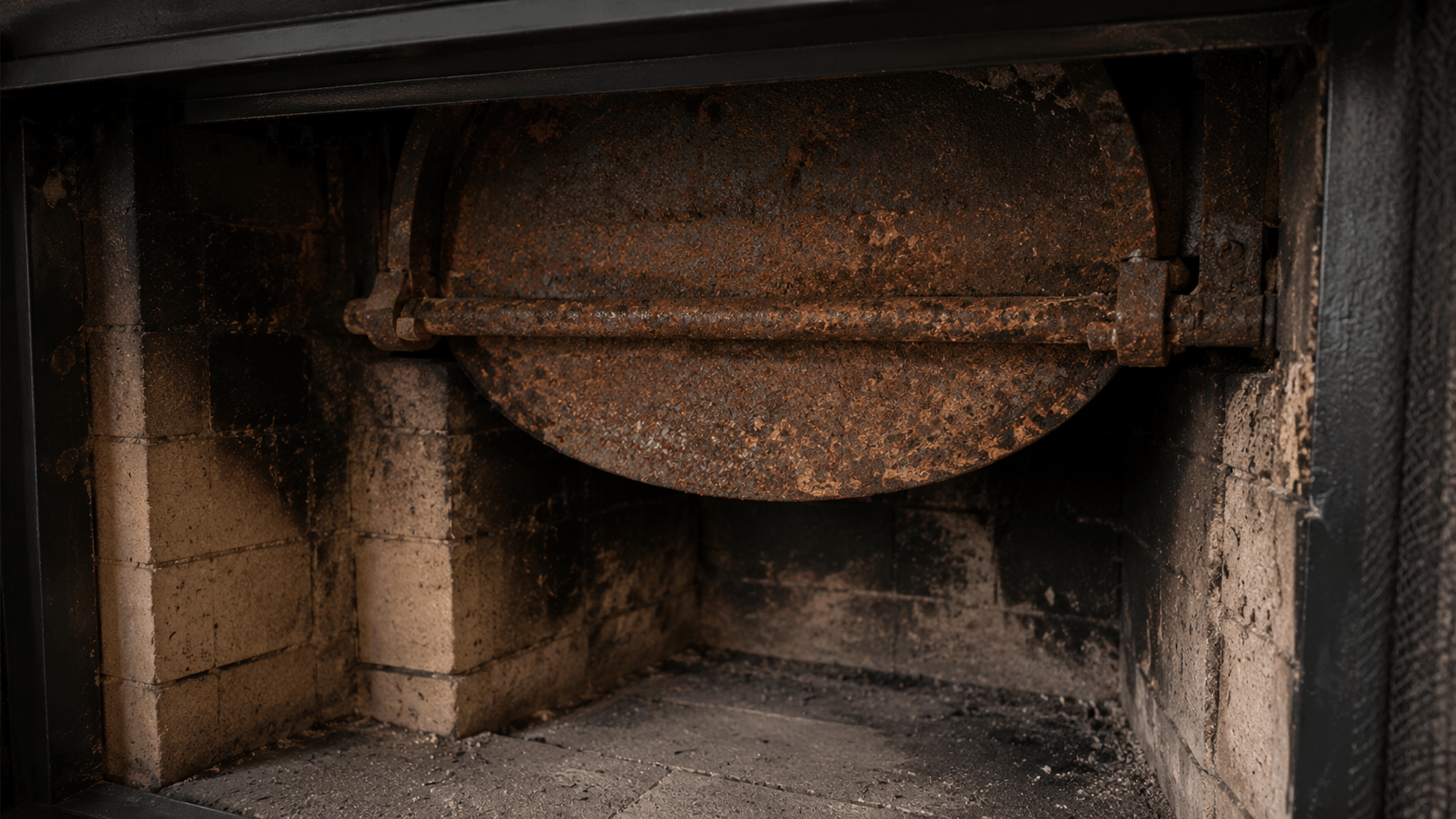
The reason this matters is that water damage in a chimney usually does not stay in one place. It can weaken mortar, loosen bricks, rust metal components, damage the damper, stain ceilings and walls, and in some cases affect the flue liner. In colder climates, moisture can also freeze and expand inside brick and mortar, making the damage worse over time.
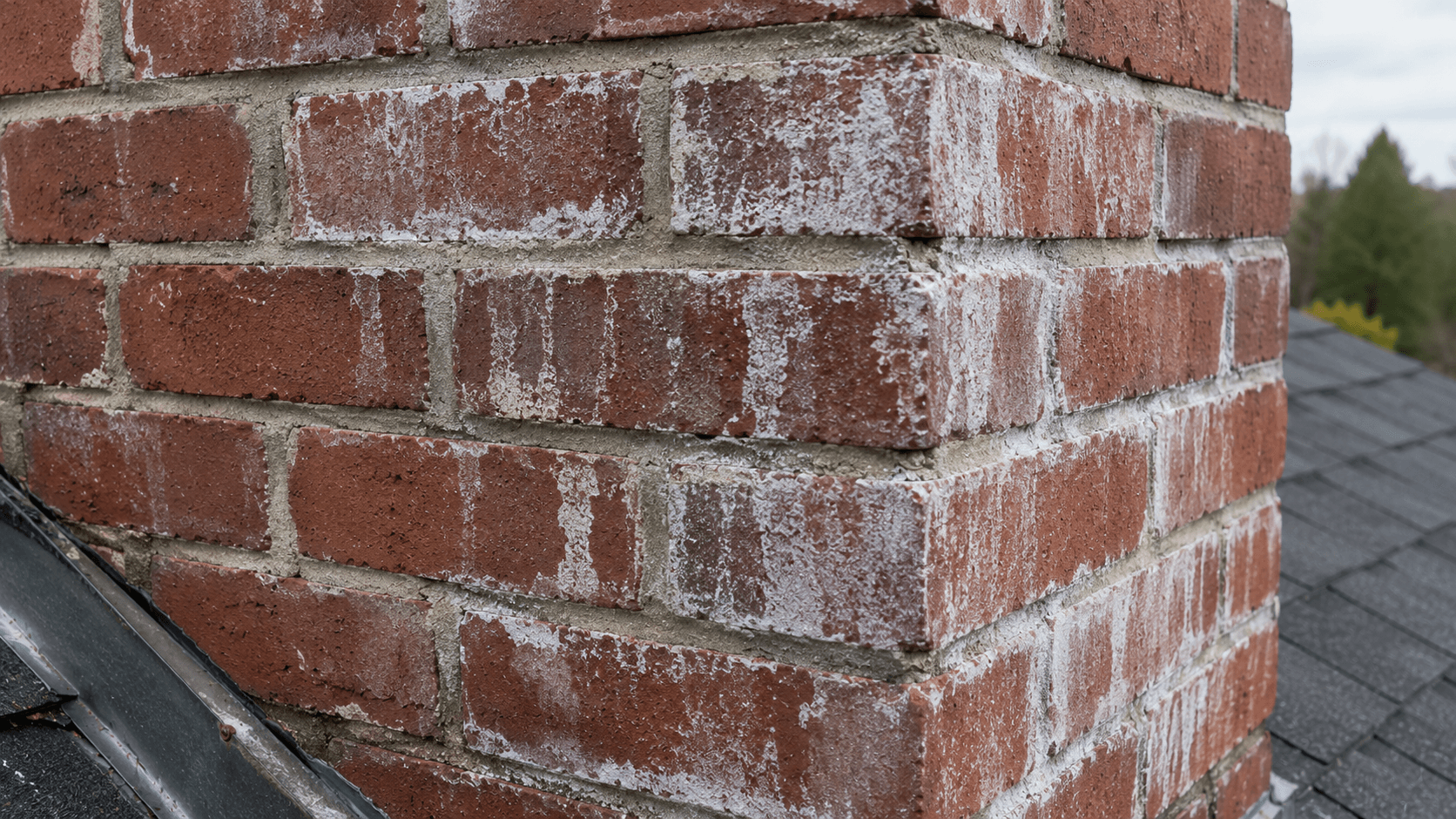
Why New England Weather Makes Chimney Moisture Worse
In Connecticut and New England, moisture can enter small cracks, freeze during cold weather, expand, and slowly break apart brick and mortar. This freeze-thaw cycle can turn a small leak into spalling brick, loose mortar, and larger masonry damage.
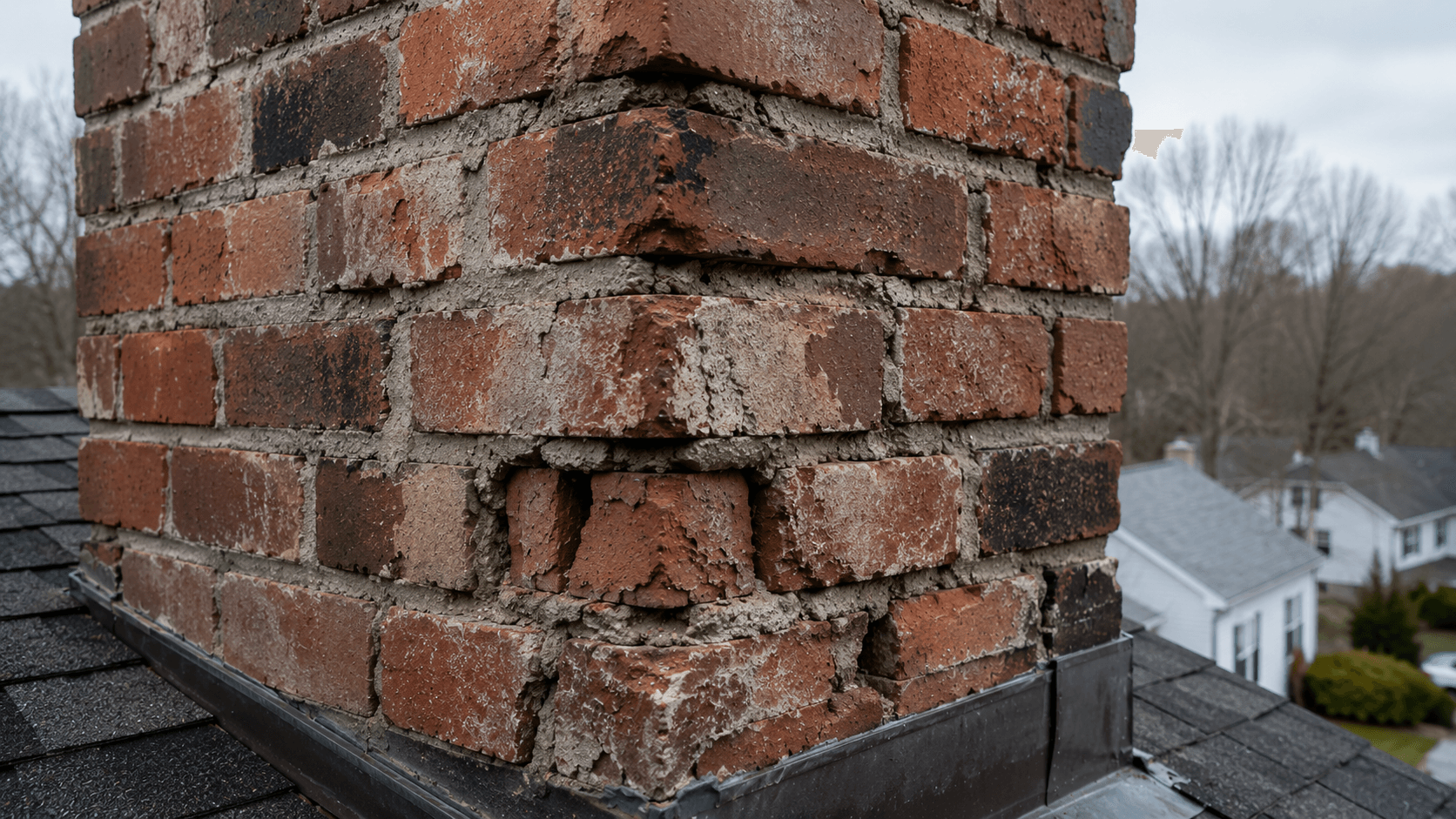
A Water Stain Is a Symptom, Not the Whole Diagnosis
That is why I never treat a chimney water stain as "just a stain." It is usually a symptom. The real question is: where is the water entering, how long has it been happening, and what has already been damaged behind the surface?
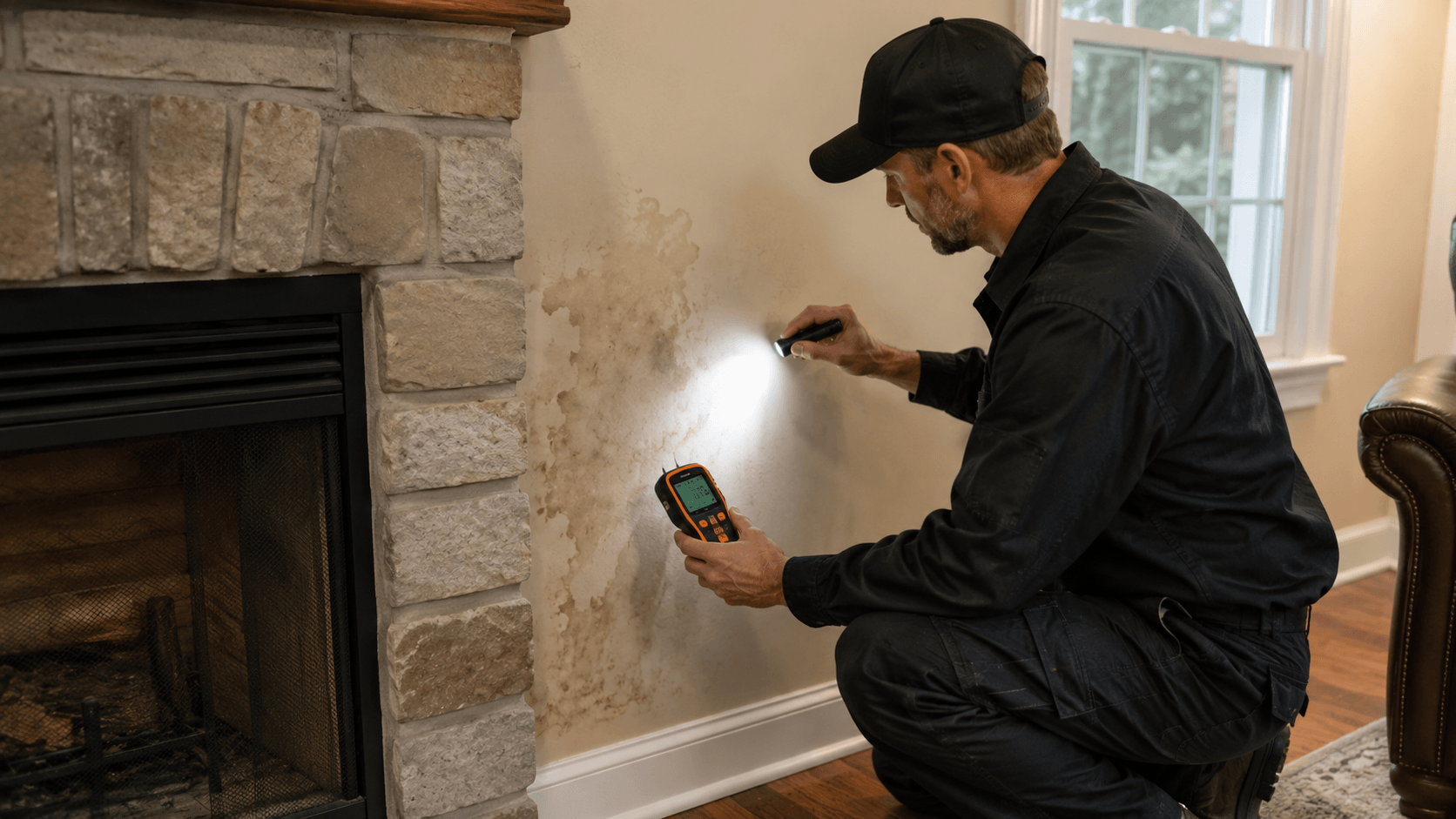
When a Small Repair Can Become a Bigger Project
A small stain may only require a simple repair if it is caught early. But if the homeowner waits, that same issue can turn into masonry repair, flashing repair, crown repair, interior damage, or a larger chimney restoration project.
What Homeowners Should Do Next
My advice to homeowners is simple: if you see water stains, moisture, white staining on the brick, rust, or loose mortar around the chimney, do not wait for the leak to get worse. Have the chimney inspected and find the source before the damage spreads.
- Take photos of the stain or moisture
- Stop assuming it is only cosmetic
- Avoid temporary patch repairs without finding the source
- Look outside for white staining, loose mortar, missing cap, or damaged flashing
- Schedule a professional chimney inspection
- Repair the source before interior damage spreads